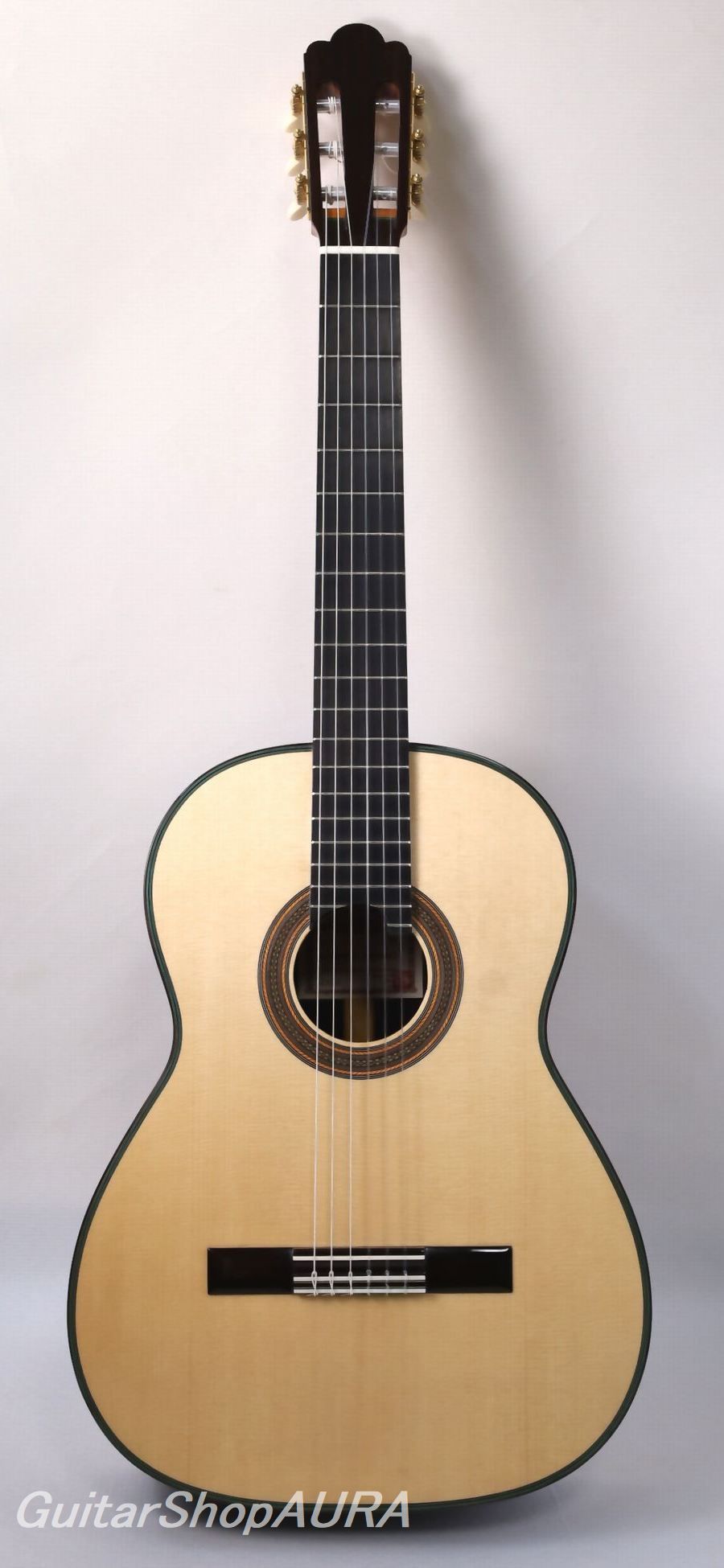
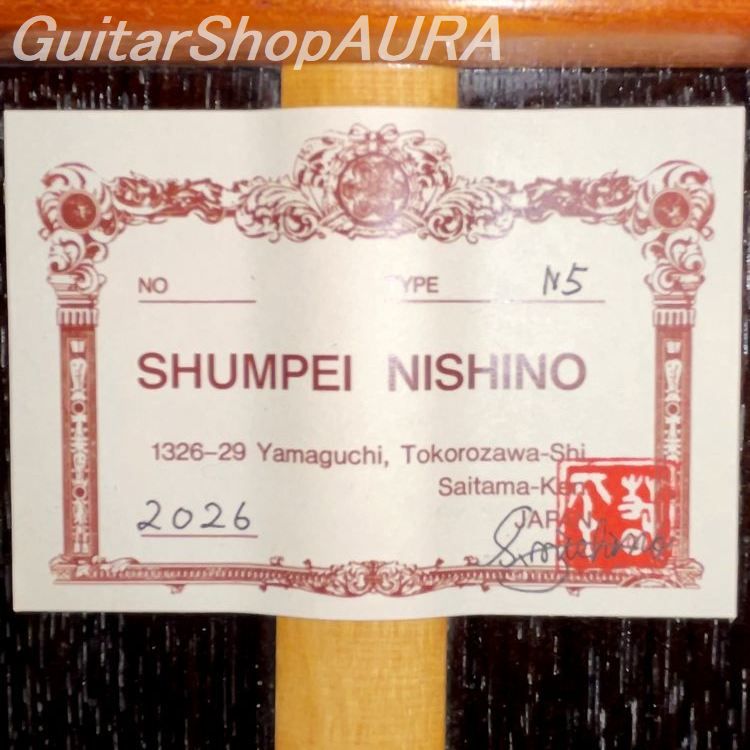
| Instrument | Shunpei Nishino |
| Category | Japanese Classical Guitars 〔New〕 |
| Number/Model | Class50 Hauser Model |
| Scale length | 650mm |
| Country | 日本 |
| Year | 2026Year |
| Top | Solid Spruce |
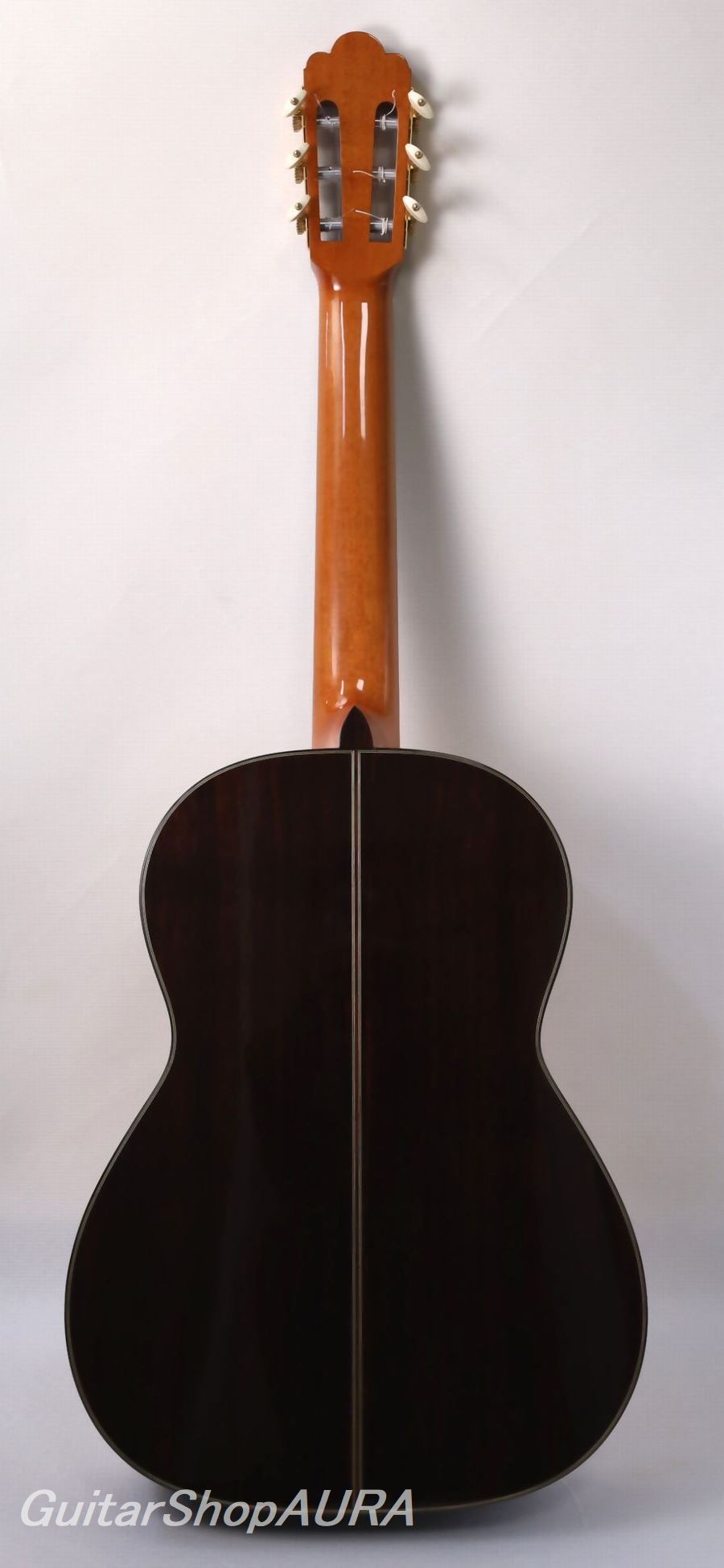
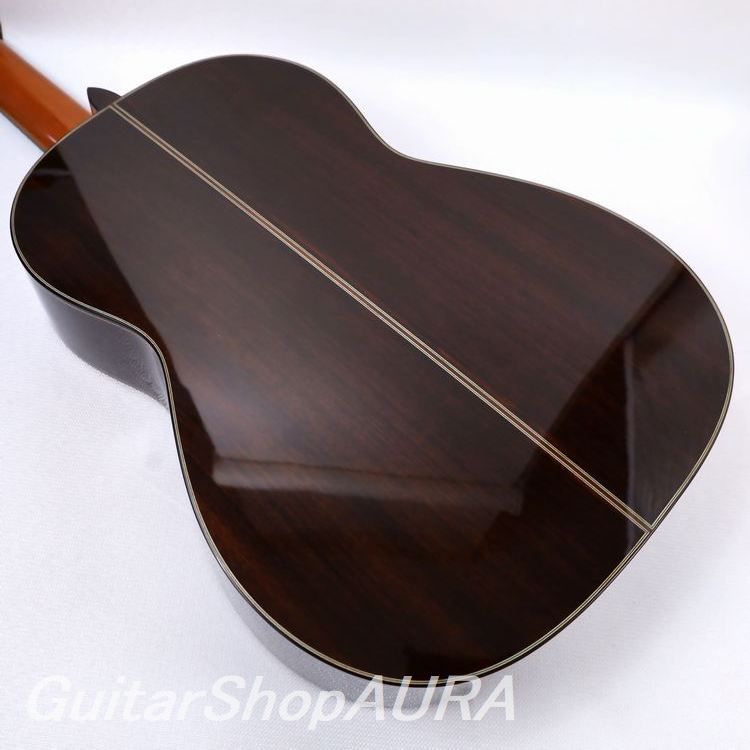
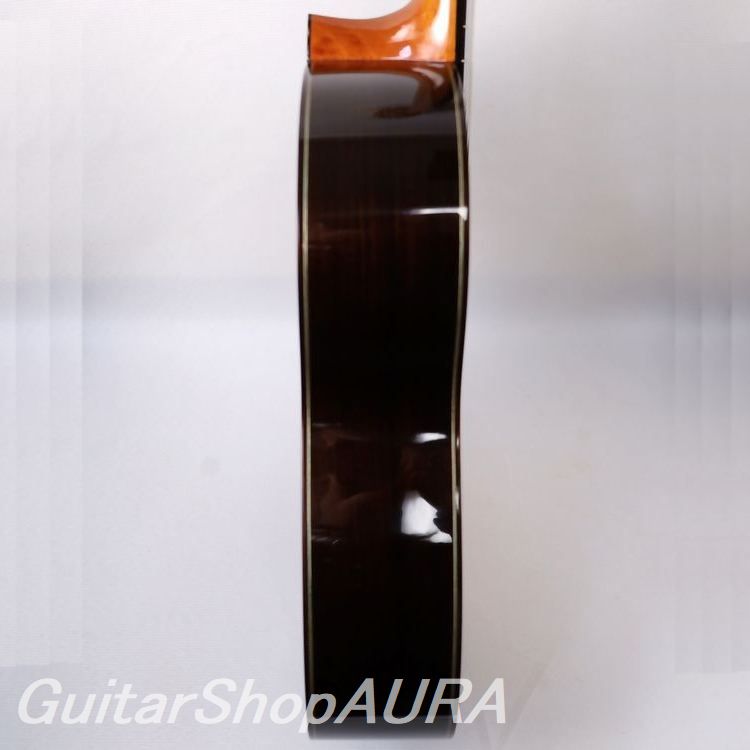
| Side&Back | Solid Indian Rosewood |
| Condition※ | 10 |
| List price | ¥550,000 |
| Price (tax included) | Please Inquire |
| option | Without case |
Click to enlarge the photos below
|
|
 |
 |
 |
 |
 |
 |
 |
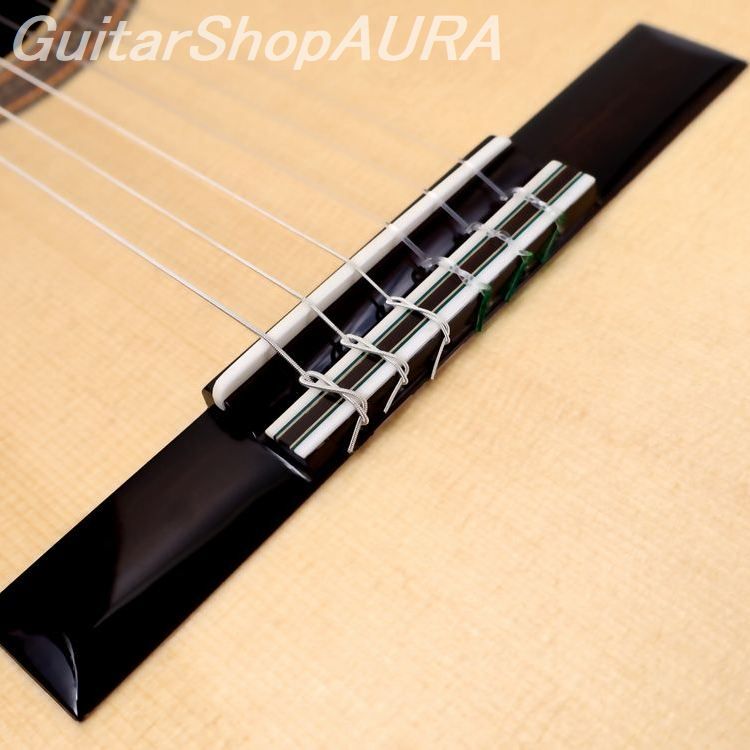 |
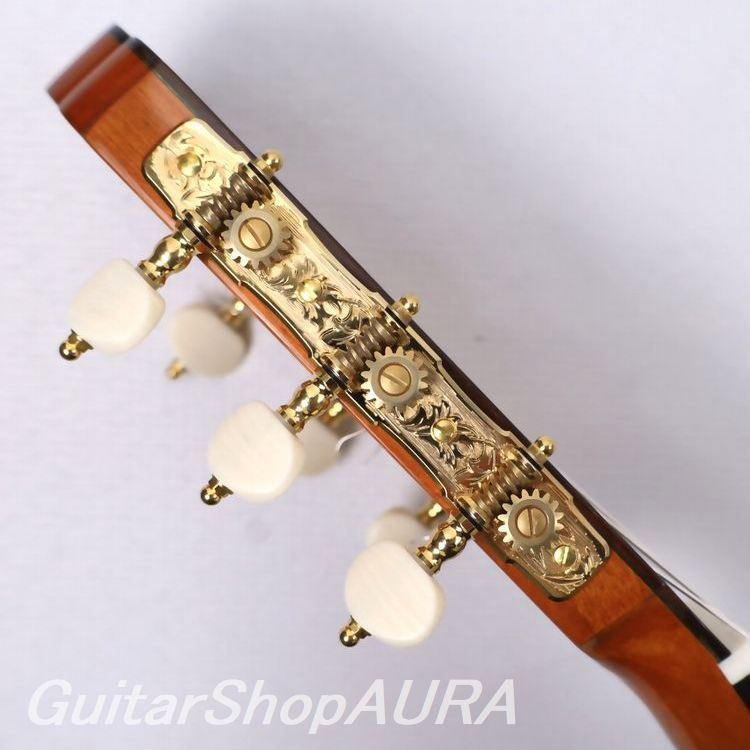 |
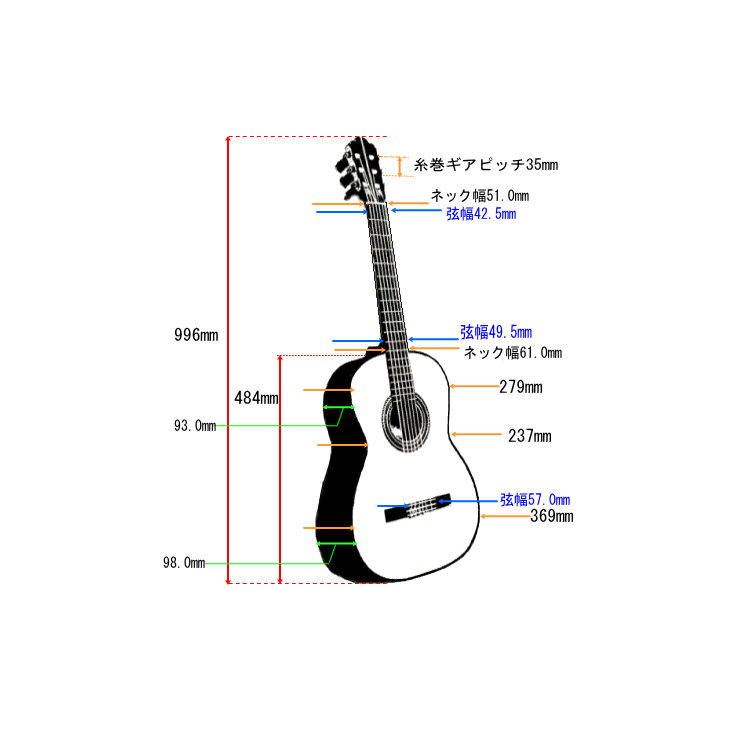


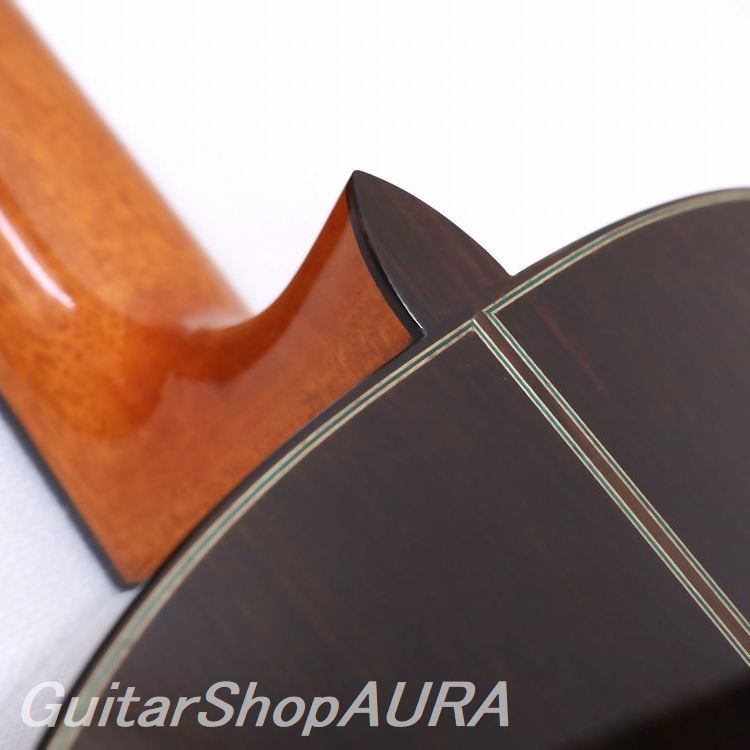
Neck:Cedro
Fingerboard:Ebony
Finish(Top): Lacquer
Finish(Back & Sides): Lacquer
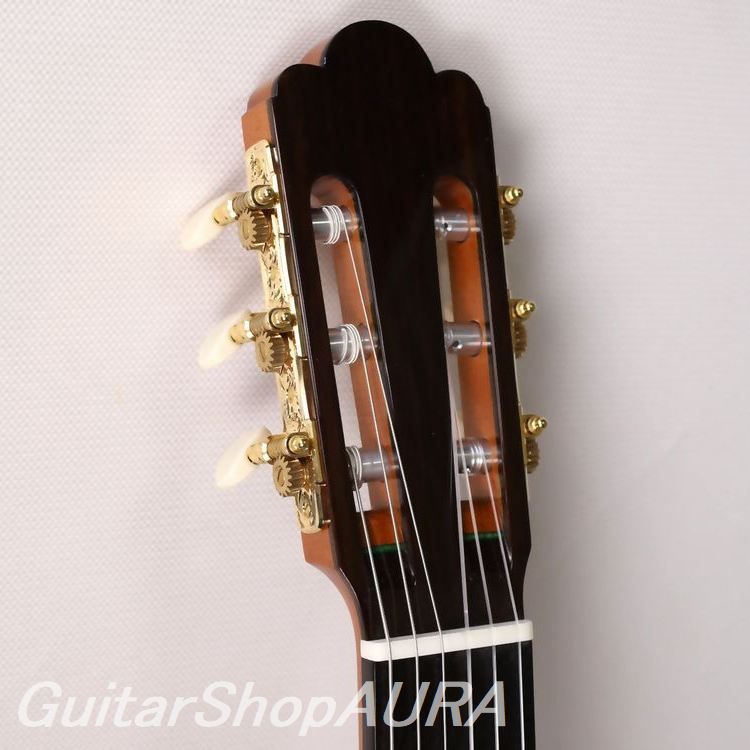
Tuning Machines:GOTOH
String Height(1st):2.5mm
String Height(6th):3.5mm
Luthier Information
Born in 1947 in Hitachi City, Ibaraki Prefecture, Japan. He began building guitars in his teens and, in 1964 at the age of 17, entered the workshop of Tomozaburo Kurosawa as an apprentice. In 1969, he established his own workshop in Tokorozawa and has since continued his independent career.
Drawing on the results of his long-standing research into the guitars of Hermann Hauser I—an influence he has studied deeply since the early years of his career—he has consistently produced instruments with outstanding acoustic balance. He was also one of the first Japanese makers to undertake the construction of electric-classical (nylon-string electric) guitars. Owing to his exceptional craftsmanship, he has received numerous requests from the acoustic guitar field as well, producing a limited number of high-quality models in that genre.
Nevertheless, the Hauser model is where his character and aesthetic philosophy are most clearly expressed. The beauty of construction, lustrous tone, and superb acoustic balance are maintained at a consistently high level across all instruments, fully worthy of the Hauser name. The tonewoods employed are also of a grade more than adequate for this price range. In terms of cost performance, his work can be regarded as among the very best produced by domestic makers.
Instrument Information
This instrument is the standard Hauser Model No. 50 by Shunpei Nishino. It features a spruce top with Indian rosewood back and sides and is positioned as a higher-grade model above the No. 40, which uses the same tonewood combination. This particular guitar is a new instrument from 2026.
The instrument reflects the refined judgment of a veteran maker, achieving what might be described as a “beauty of moderation”—a perfectly balanced point of arrival. In tone, construction, and playability alike, it is exceptionally well suited to the sensibilities of Japanese players.
While it does not exhibit the strong, adhesive-like resistance sometimes found in original Hauser instruments, it offers the slightly firm articulation characteristic of the Hauser style, combined with a fresh, transparent resonance—likely influenced by rosewood of Central or South American origin—resulting in an overall lively and supple sound.
The acoustic balance is exemplary, ranging from a warmly expansive bass to clear, well-defined treble registers. The evenness of note separation, clarity of individual tones, quick response to the player’s touch, and precise sense of pitch are all outstanding. There are virtually no weaknesses to be found.
Its tonal character retains a certain Germanic austerity while providing ample dynamic range, delivering a level of completeness that fully supports a wide variety of classical expressions.