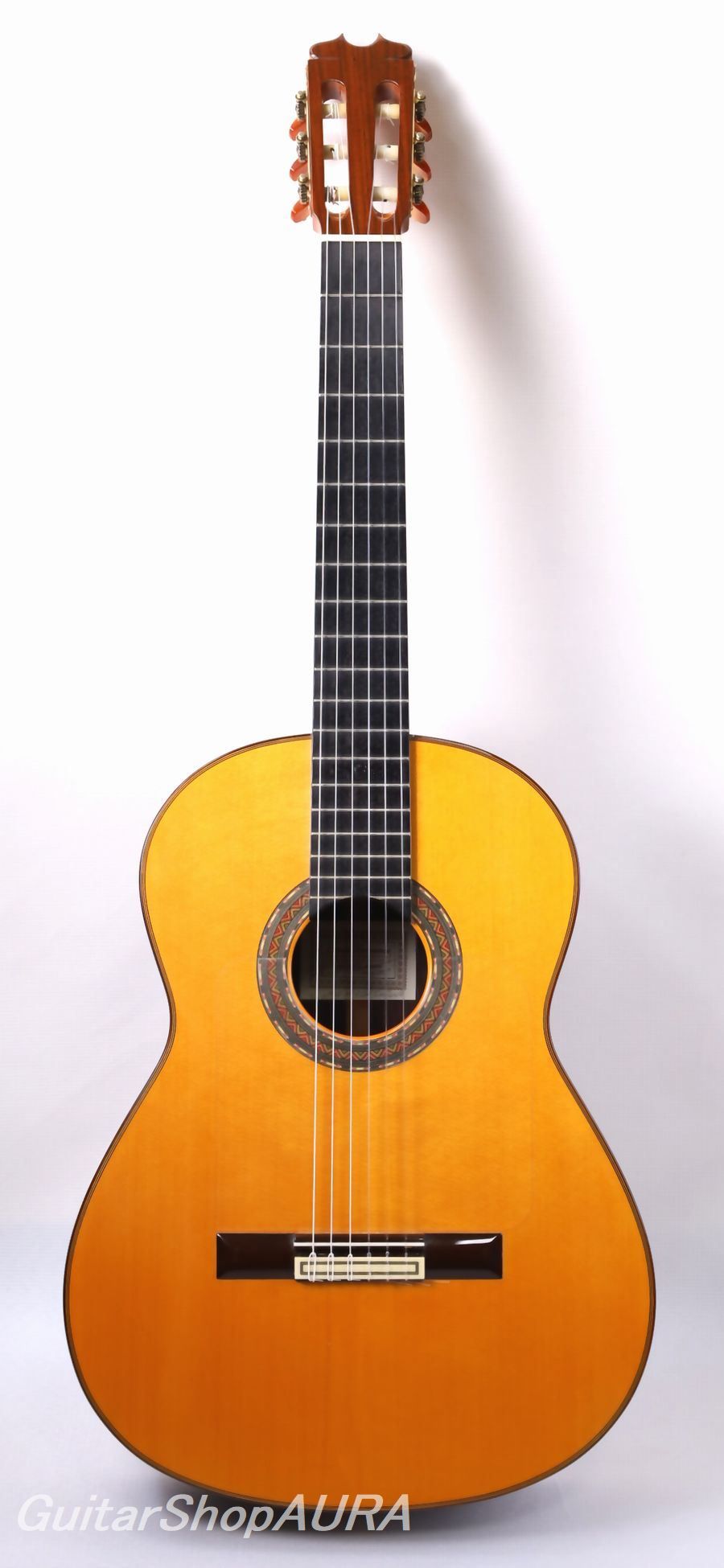
| Instrument | Conde Hermanos |
| Category | Imported Flamenco Guitars 〔Used〕 |
| Number/Model | AF-25R (Felipe) |
| Scale length | 650mm |
| Country | Spain |
| Year | 2009Year |
| Top | Solid Spruce |
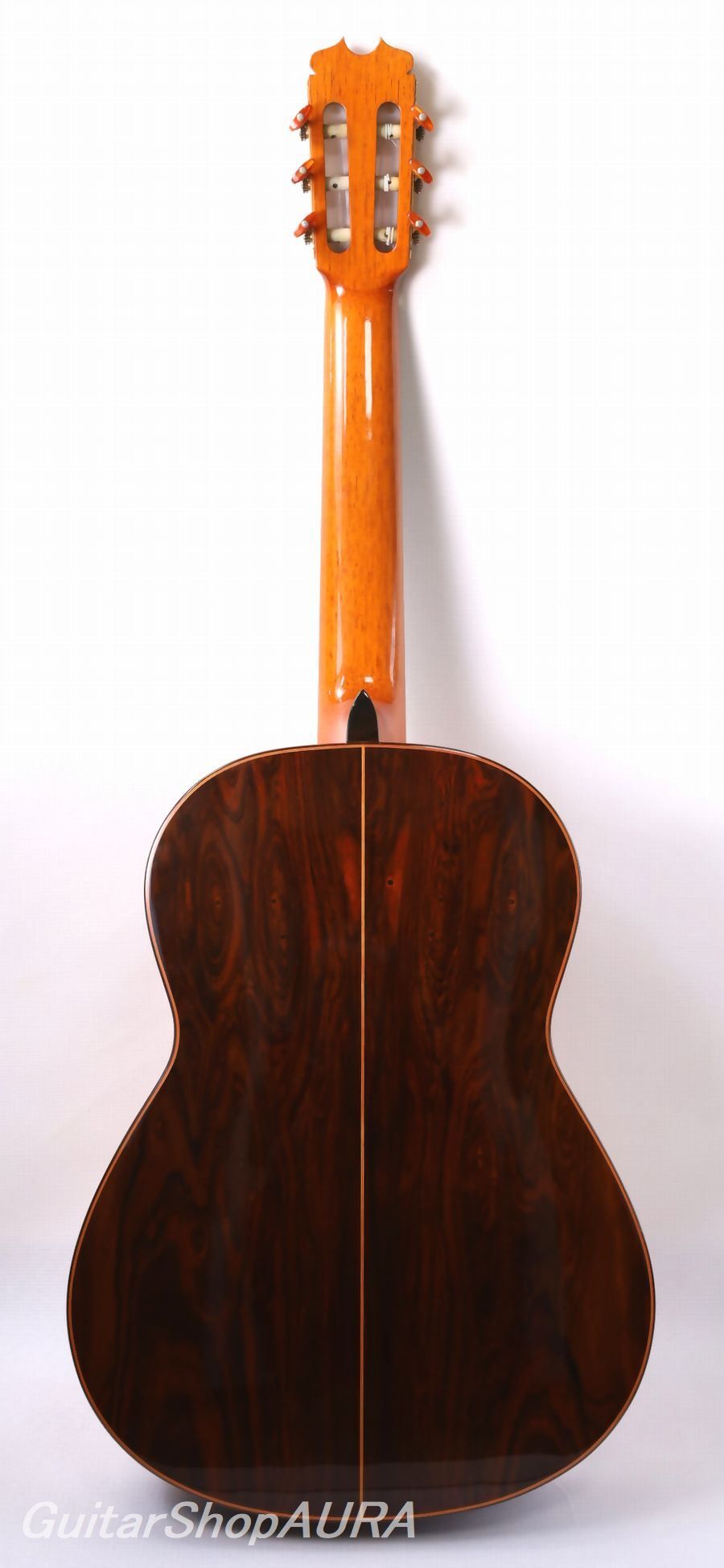
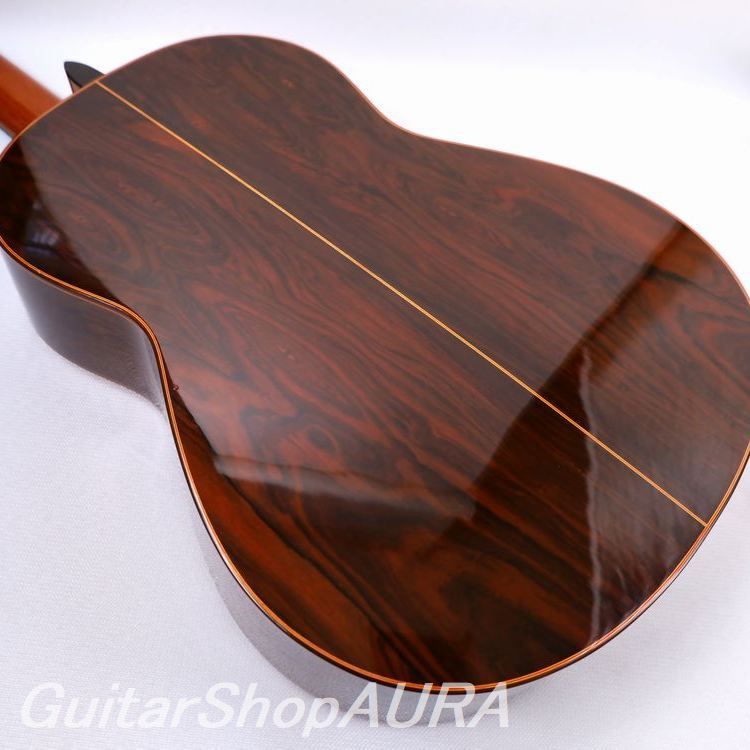
| Side&Back | Caviuna |
| Condition※ | 7 |
| List price | INQUIRE |
| Price (tax included) | Please Inquire |
| option | with Hardcase |
Click to enlarge the photos below
|
|
 |
 |
 |
 |
 |
 |
 |
 |
 |
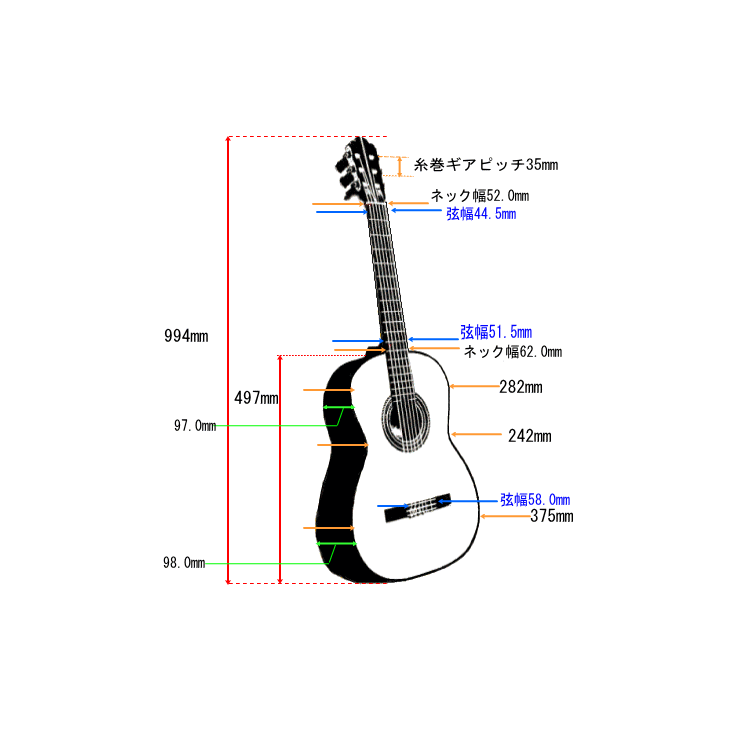


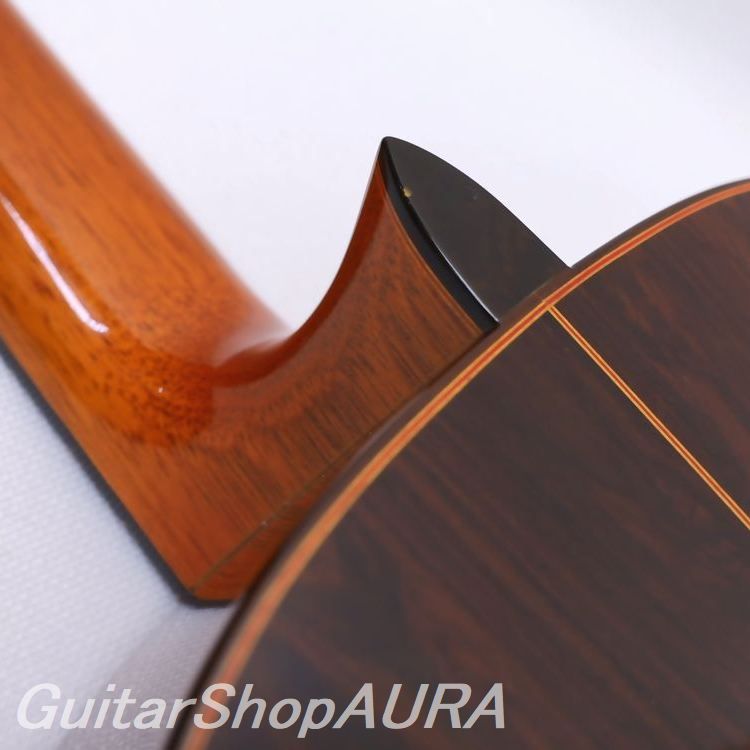
Neck:Cedro
Fingerboard:Ebony
Finish(Top):Lacquer
Finish(Back & Sides):Lacquer
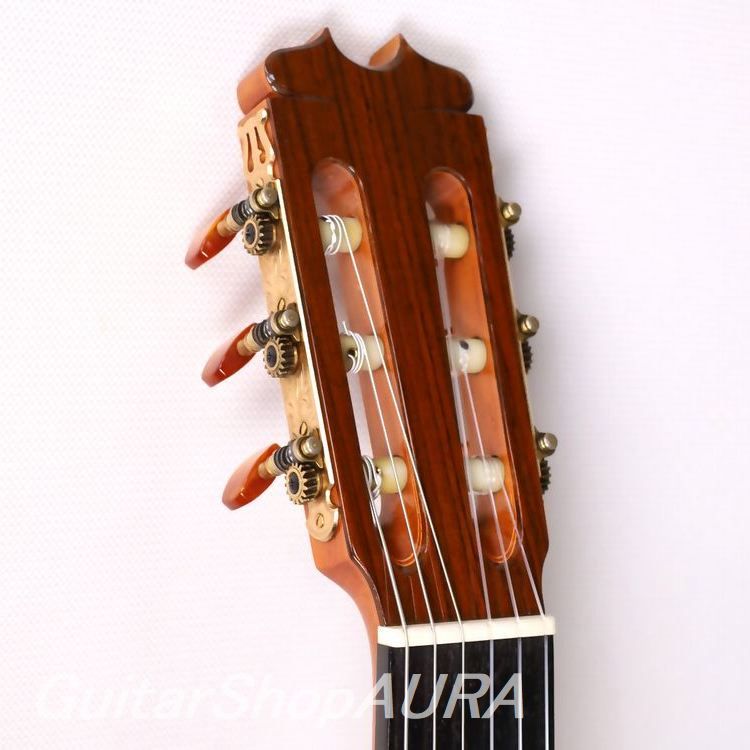
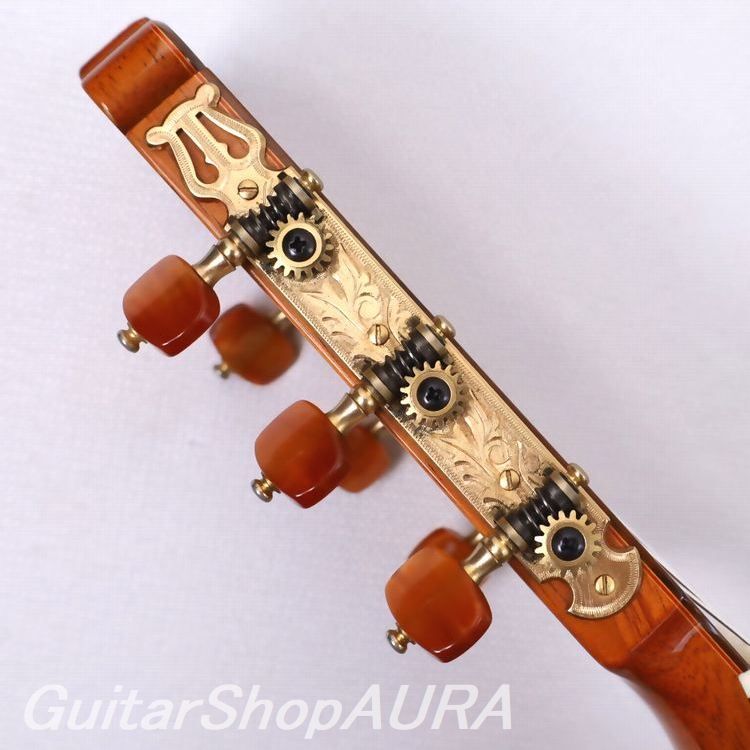
Tuning Machines:FUSTERO
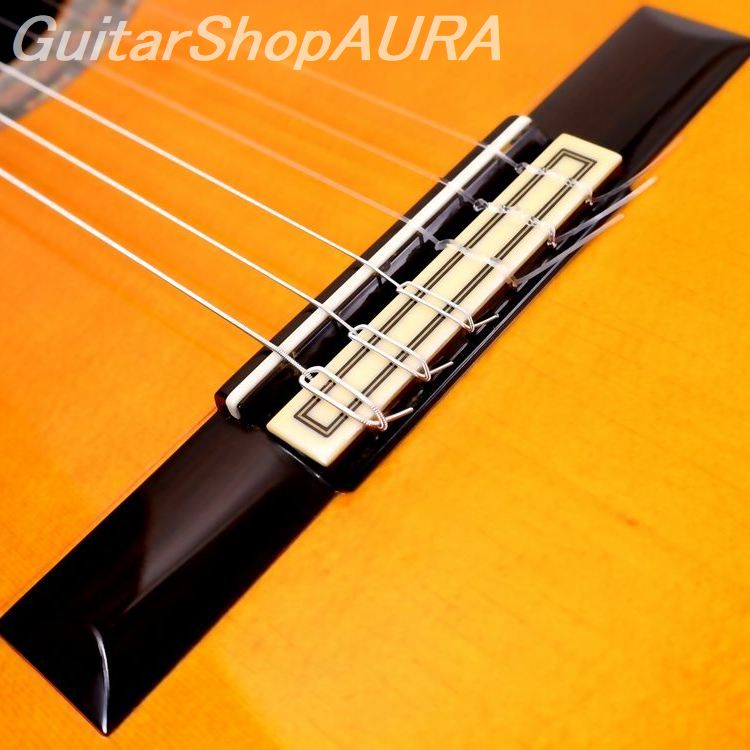
String Height(1st):3.1mm
String Height(6th):3.2mm
Luthier / Brand Information
Among the many Spanish flamenco guitar brands, Conde Hermanos is regarded as one of the most enduring and iconic. The origins of the brand trace back to the workshop of the legendary Manuel Ramírez (1864–1916) in Madrid. Domingo Esteso (1882–1937), who worked there alongside Santos Hernández (1874–1943), went on to establish his own workshop on Gravina Street in Madrid in 1919.
Esteso’s nephews—Faustino Conde (1913–1988), Mariano Conde (1916–1989), and Julio Conde (1918–1995)—joined the workshop under his direct guidance. After Esteso’s death, the brand continued under the label “Viuda y Sobrinos de Domingo Esteso” (Widow and Nephews of Domingo Esteso). When Esteso’s wife Nicolasa Salamanca (who had been responsible for finishing Esteso guitars) passed away in 1959, the label was changed to “Sobrinos de Domingo Esteso / Conde Hermanos,” marking the first official use of Conde Hermanos as a brand name.
During the 1960s, the workshop completely redesigned its models, from external design to internal construction, moving away from Esteso’s designs. The now-famous Media Luna (half-moon) headstock shape, adopted as a symbol of their high-end models, also dates from this period. Along with rapidly growing global demand, the brand’s reputation and market share expanded dramatically.
In 1980, Mariano Conde established a workshop on Felipe Street in Madrid, producing guitars together with his sons (Felipe I and Mariano II). While initially working in coordination with the Gravina workshop, the Felipe workshop began operating independently after Faustino’s death in 1988. The following year, Mariano I also passed away, leaving the workshop to his two sons. From this point onward, the Felipe workshop became particularly adept at responding flexibly to contemporary market needs, maintaining a stable commercial foundation.
In 2010, Felipe I and Mariano II each established independent brands under their own names—Felipe Conde and Mariano Conde—continuing the Conde Hermanos tradition while infusing their respective instruments with strong individual character.
After Faustino’s death, the Gravina workshop was maintained by his widow into the 2000s but has since closed. Julio Conde ran the Conde Hermanos workshop in Atocha, founded in the 1950s; following his death in 1995, the business was taken over by his daughter and granddaughter and continues today under the Conde Hermanos name.
Conde Hermanos guitars are famously associated with Paco de Lucía, among many other renowned flamenco guitarists, and remain an essential icon for flamenco guitar enthusiasts worldwide.
Instrument Information
Conde Hermanos – Felipe Workshop
Model AF-25R “Caviuna”, 2009
Used instrument.
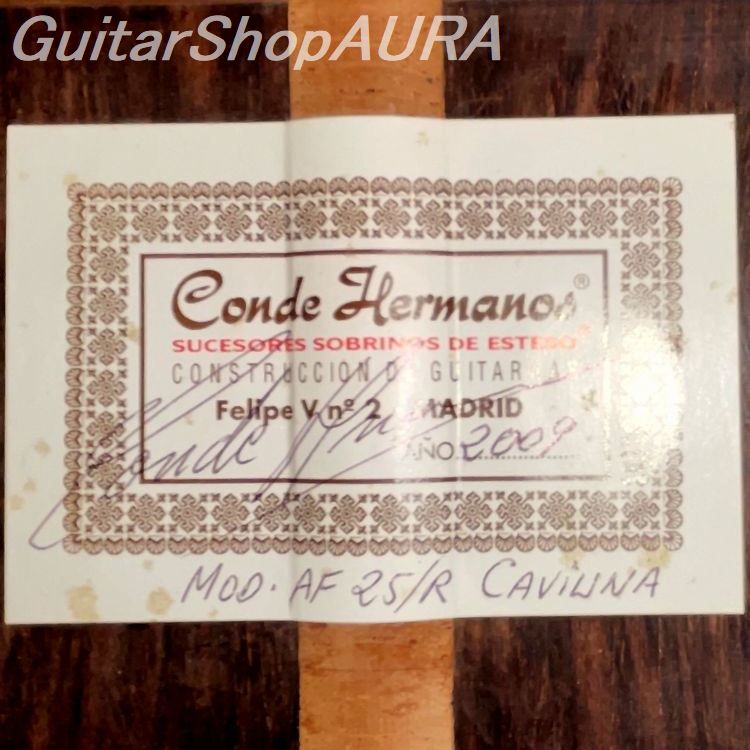
This is a flamenco negra model and, together with the blanca model A26, represents one of the brand’s flagship instruments. The label includes the designation “Caviuna,” indicating that the back and sides are made from Central/South American Caviuna wood—a rare instance in which the specific tonewood is explicitly stated. Combined with its 650 mm scale length, this makes the specification particularly distinctive.
The year 2009 is also notable, as it represents the final phase of the Felipe workshop operating under the Conde Hermanos name—just one year before Felipe I and Mariano II went on to establish their independent brands. Viewed from a historical perspective, this instrument can be considered a valuable example from the closing chapter of a rare and influential brand legacy.
The soundboard bracing design is identical to that of the A26, fully embodying the acoustic and functional characteristics for which the brand is known. The main resonance is set slightly above G♯.
In addition to the original golpeador, an extra transparent golpeador has been added, extending along the soundhole edge to cover part of the rosette. The soundboard shows minor dents and light scratches along both sides of the fingerboard, as well as small marks near the golpeador and beneath the bridge; all are shallow and largely inconspicuous. The back, sides, and back of the neck are in very clean condition overall, though there is a slightly deeper dent measuring several centimeters on the lower bout of the side.
There is no history of major repairs such as cracks. The neck has a very slight forward relief, which can be considered close to ideal. The frets show moderate wear overall—particularly between the 1st and 5th frets—but not to a degree that affects playability, and the instrument remains fully serviceable.
The neck profile is a standard-thickness, flat D shape. String height at the 12th fret is set at 3.1 mm (1st string) and 3.2 mm (6th string), with 0.5 mm of saddle remaining. The original Fustero tuning machines are still installed and function properly.