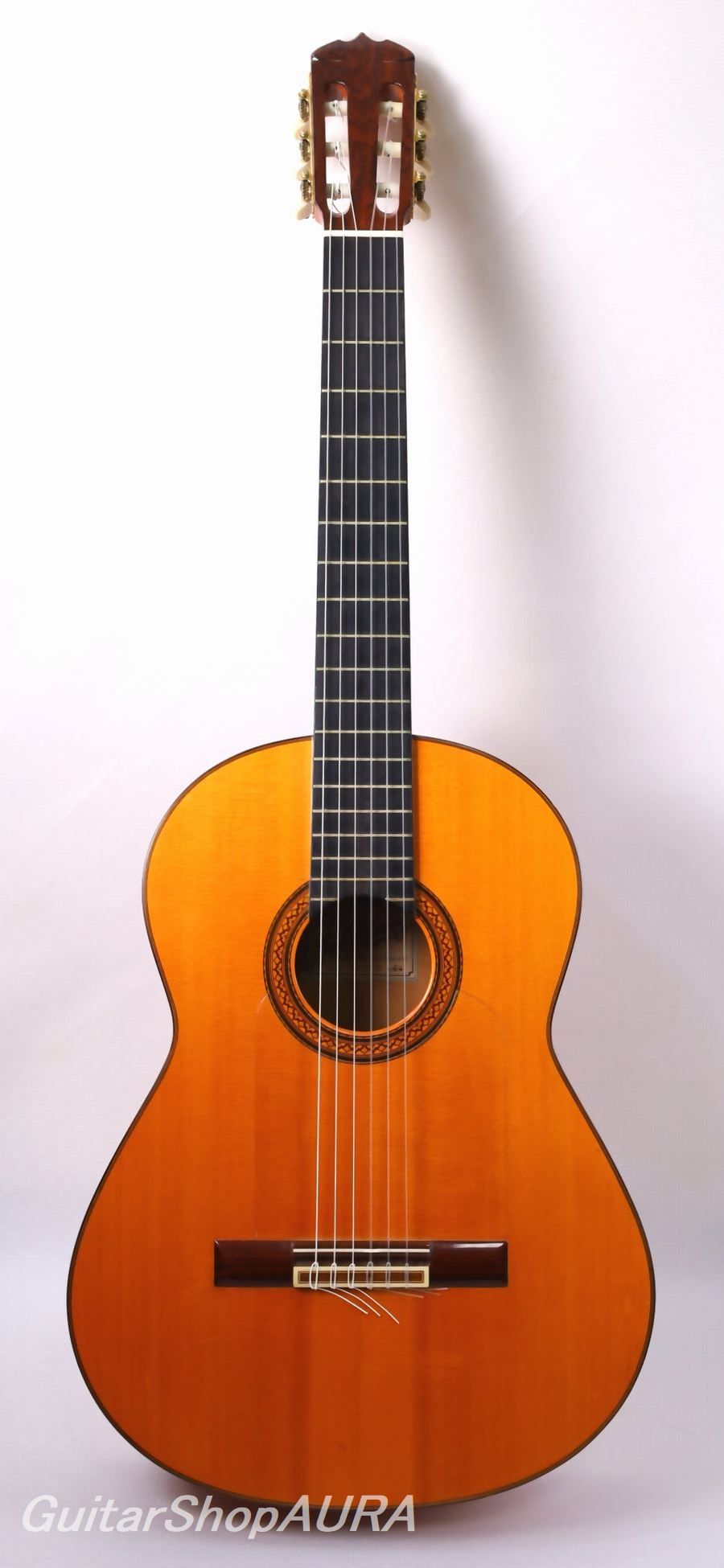
| Instrument | Jose Ramirez III |
| Category | Imported Flamenco Guitars 〔Vintage〕 |
| Number/Model | Flamenco MM Stamp |
| Scale length | 656mm |
| Country | Spain |
| Year | 1964Year |
| Top | Solid Spruce |
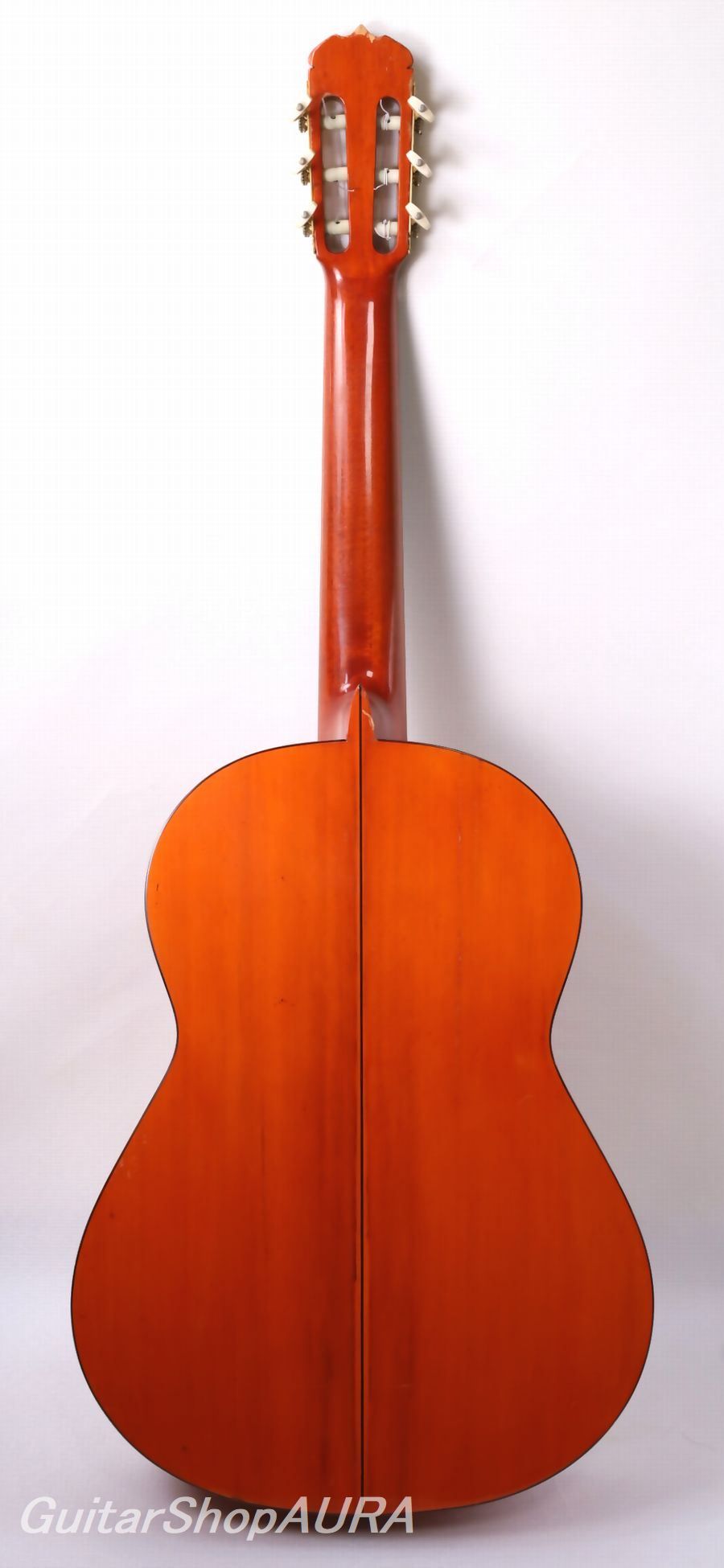
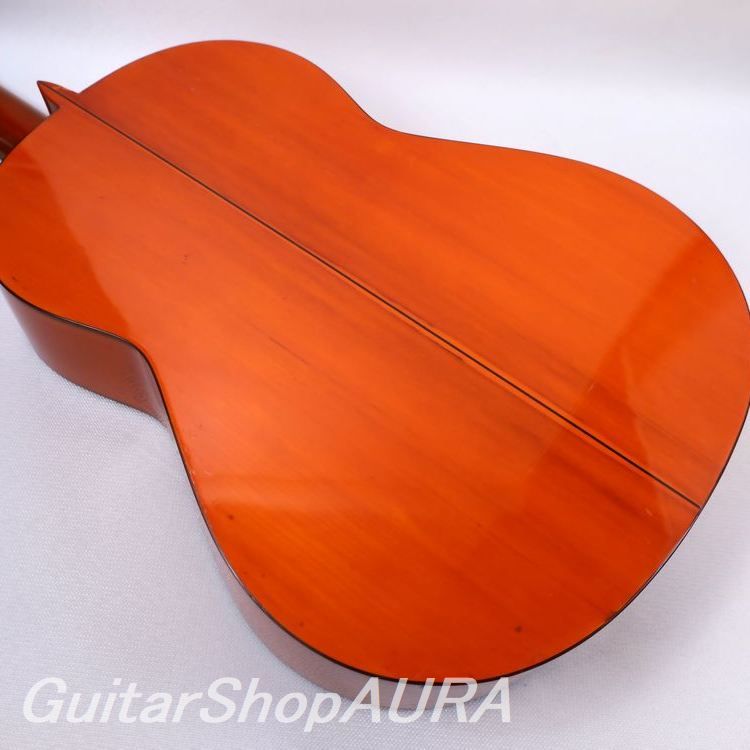
| Side&Back | Solid Cypress |
| Condition※ | 6 |
| List price | INQUIRE |
| Price (tax included) | Please Inquire |
| option | with Lightweight Semi Hardcase |
Click to enlarge the photos below
|
|
 |
 |
 |
 |
 |
 |
 |
 |
 |


Neck:Cedoro
Fingerboard:Ebony
Finish(Top):Polyurethan
Finish(Back & Sides):Polyurethan
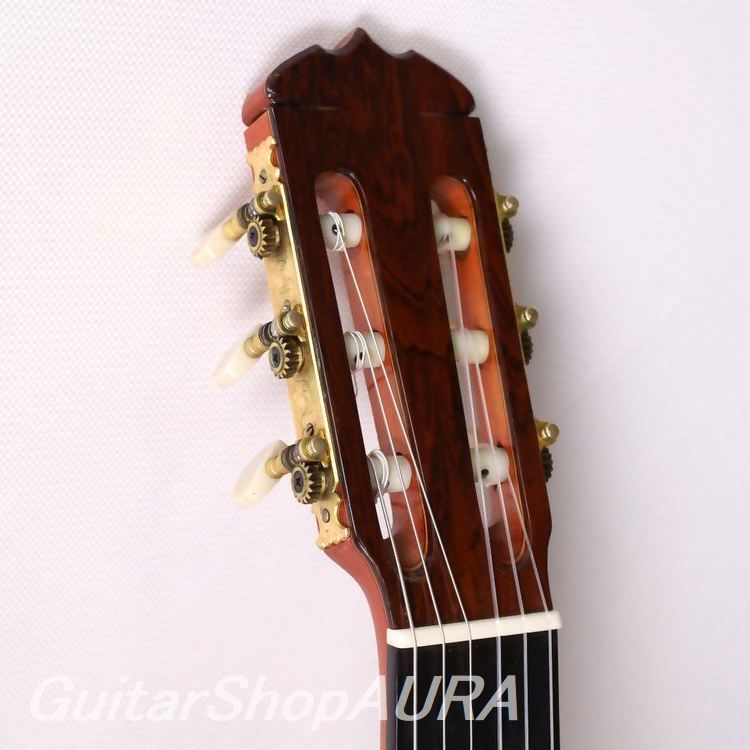
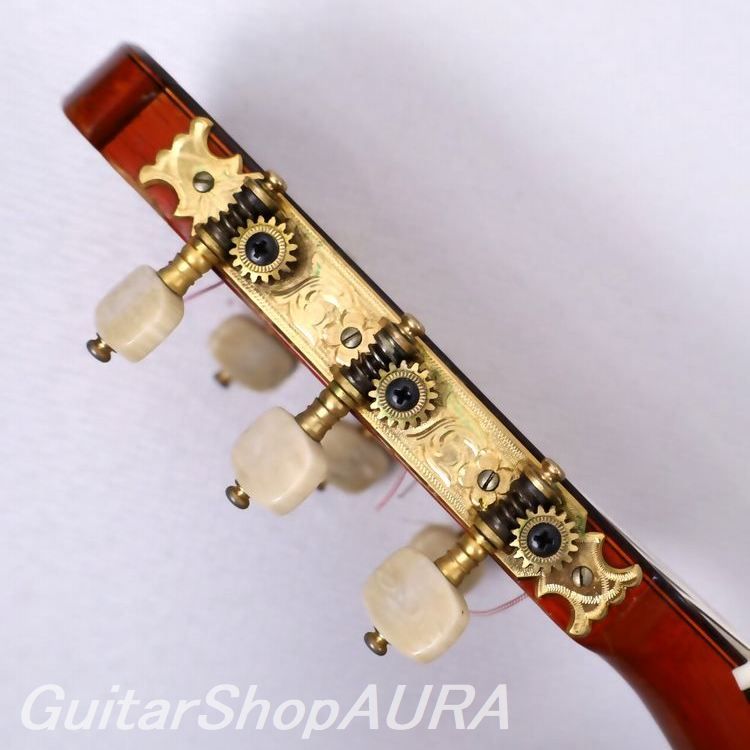
Tuning Machines:FUSTERO
String Height(1st):3.2mm
String Height(6th):3.2mm
〔Luthier Information〕
Jose Ramirez is one of the world’s most renowned Spanish guitar brands, with a distinguished history spanning more than a century. From the era of José Ramírez I (1858–1923) through the current José Ramírez V, the workshop has continuously held a central position in the history of Spanish guitar making for over 100 years, maintaining a strong global presence to this day.
Among these generations, the period of José Ramírez III (1922–1995) is especially revered and is often referred to as the height of the “Ramírez dynasty.” Guitars produced during this era were both innovative and widely popular, captivating guitarists and enthusiasts around the world. From the late 1950s through the 1960s, master craftsmen such as Paulino Bernabé and Mariano Tezanos served as workshop foremen, establishing a unique production system that made it possible to combine large-scale output with the quality of high-end handmade instruments.
In 1964, Ramírez introduced the Model 1A as the brand’s flagship instrument. This model featured several groundbreaking specifications: cedar replaced spruce for the soundboard, the body depth was increased, the sides were constructed with an inner cypress laminate (double-wall structure), the scale length was extended to 664 mm (instead of the standard 650 mm), and the traditional shellac finish was replaced with a urea resin finish to greatly enhance durability. These innovations produced the distinctive sweet, glossy tone known as the “Ramírez sound,” and together with its striking red-tinted appearance, the 1A achieved unprecedented popularity in guitar history.
The reforms introduced by José Ramírez III were remarkably original, both in terms of market strategy and instrument design, and perfectly aligned with the demands of the era. They exerted an enormous influence on subsequent guitar making and were instrumental in shaping the modern image of the classical guitar itself.
His son, José Ramírez IV (1953–2000), began working as an apprentice in his father’s workshop at the age of 18 and was officially recognized as a master craftsman in 1977. In 1988, he assumed management of the brand together with his sister Amalia. While inheriting his father’s philosophy, he expanded the business by adopting strategies more in line with contemporary needs, such as producing Estudio models and standardizing the 650 mm scale length. Sadly, he passed away in 2000, only five years after his father.
Following this, the workshop—led primarily by Amalia—continued flexible product development. However, from the 2000s onward, demand increasingly concentrated on instruments made during the eras of José Ramírez III and IV, whose tones remain closely associated with the legendary performances of Andrés Segovia. In particular, guitars from the 1960s bearing the initials of the individual master builder remain highly prized and actively played by longtime enthusiasts.
〔Instrument Information〕
This is a 1964 flamenco guitar, Model 1A.
Built in the very year that José Ramírez III introduced the flagship Model 1A, this instrument comes from the workshop’s most prosperous and fully realized period, both in terms of reputation and overall quality. All professional models shipped during this era were stamped with the initials of the master builder responsible for their construction. This guitar bears the “MM” stamp, indicating it was built by Miguel Malo Martínez.
A fine example of a 1960s Ramírez flamenco guitar, it fully embodies the agility and responsiveness expected of the genre. The tone is warm and rounded yet retains a firm core and tension, offering a wide expressive range and excellent linear response to subtle variations in touch. A pleasant sense of elasticity and rebound gives the impression that the sound springs back toward the player upon attack, demonstrating the consistently high average quality achieved by the brand during this period. String tension is not excessive, resulting in a comfortable and highly playable setup.
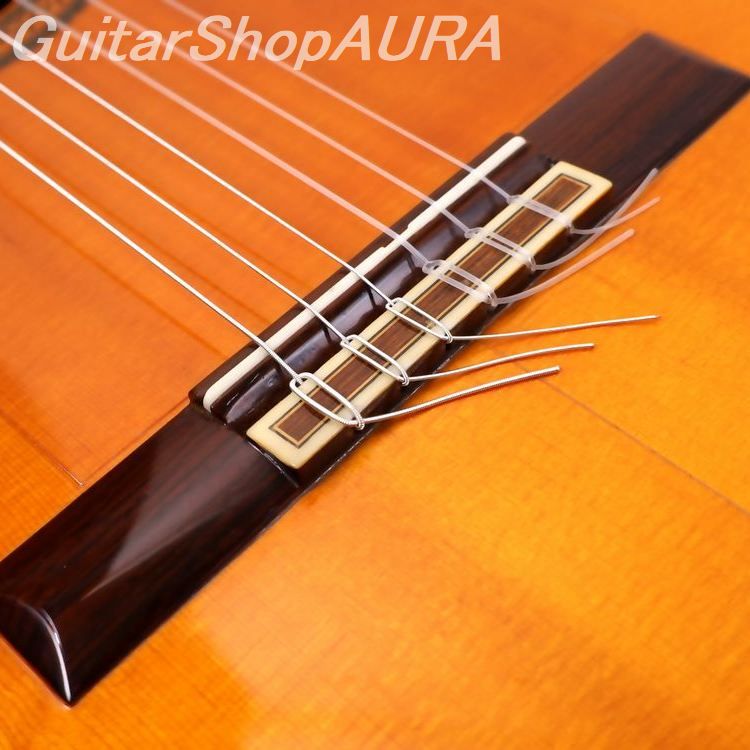
The neck shows a moderate amount of forward relief, providing good playability. Saddle height, particularly on the treble side, is minimal, indicating that the action is currently set as low as possible.
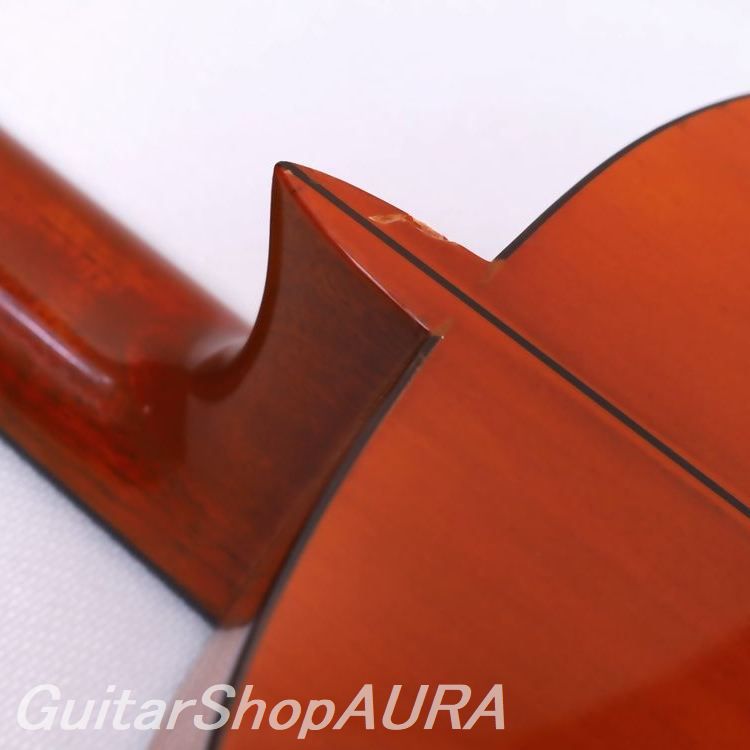
Approximately 60 years have passed since its construction, and several cracks are present: a center seam crack on the soundboard, a crack on the upper bout of the soundboard (treble side), two cracks on both sides of the back, and a crack on the lower side. All cracks have been properly stabilized with patches and cleats, and the repairs have been executed appropriately, with no impact on playability. This instrument stands as compelling evidence of the exceptionally high level of quality achieved by Ramírez in flamenco guitars during the 1960s. A lightweight case is included.