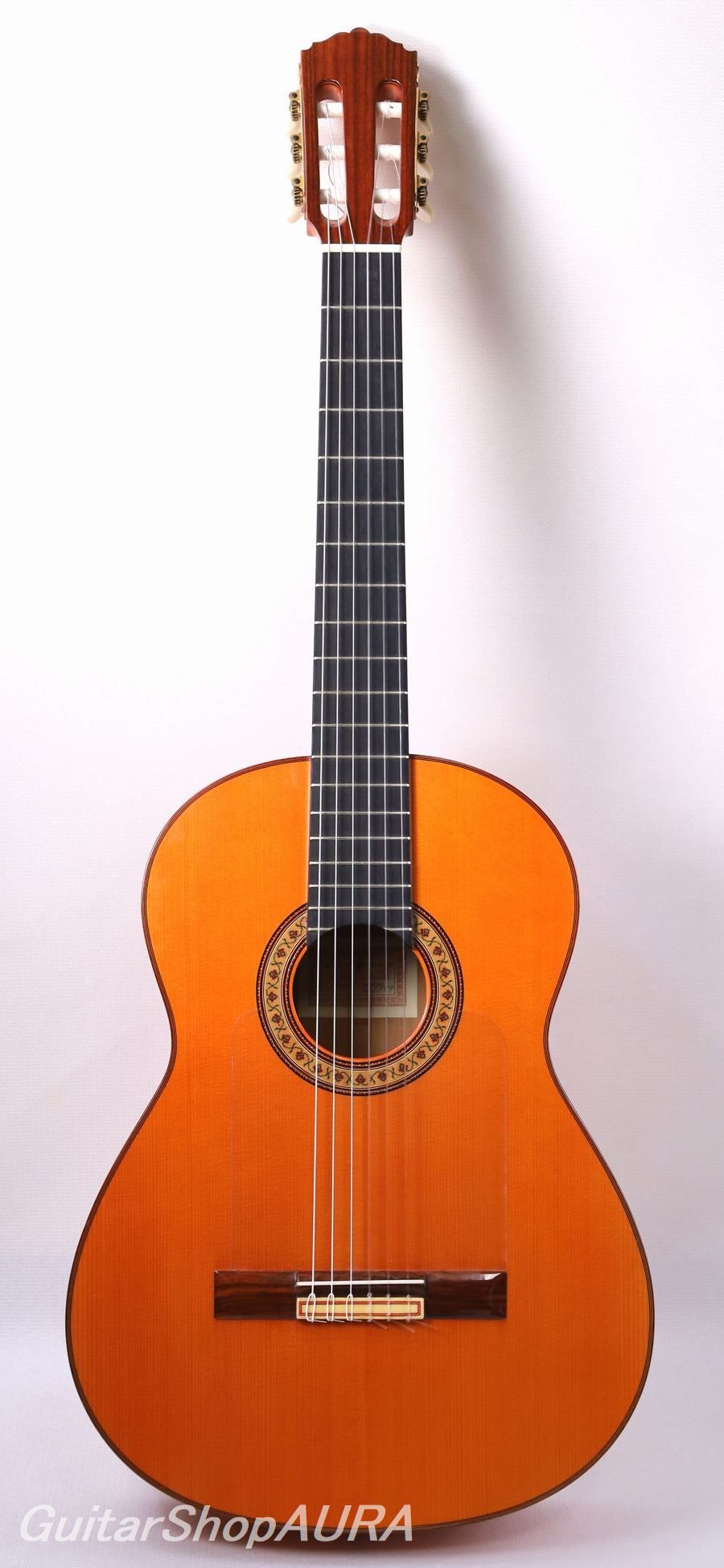
| Instrument | Conde Hermanos |
| Category | Imported Flamenco Guitars 〔Vintage〕 |
| Number/Model | A-28 Felipe |
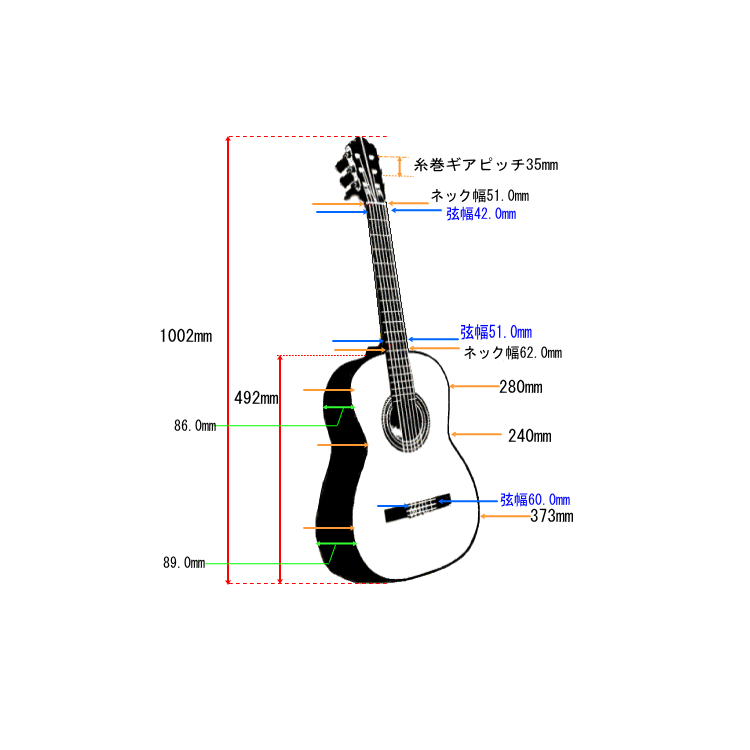
| Scale length | 664mm |
| Country | Spain |
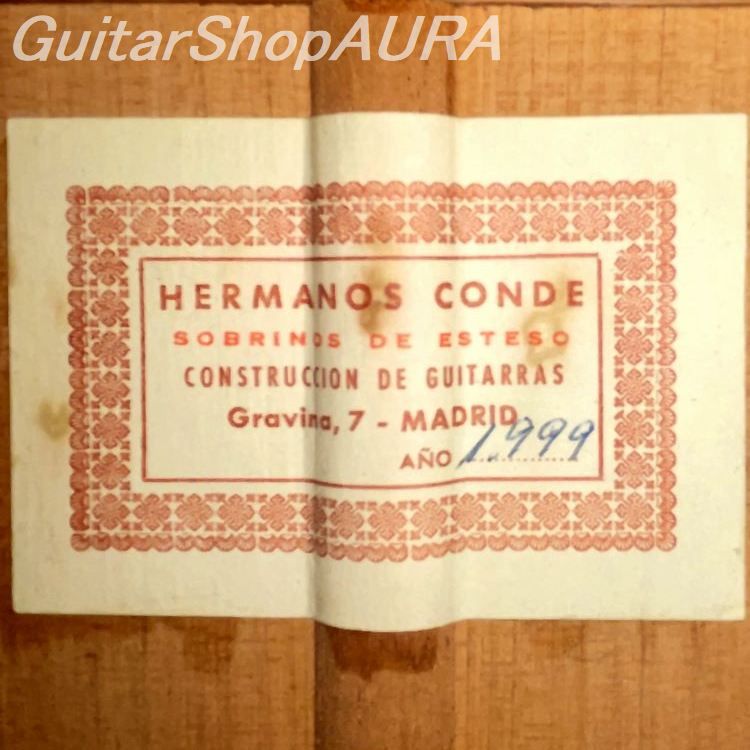
| Year | 1999Year |
| Top | Solid Spruce |
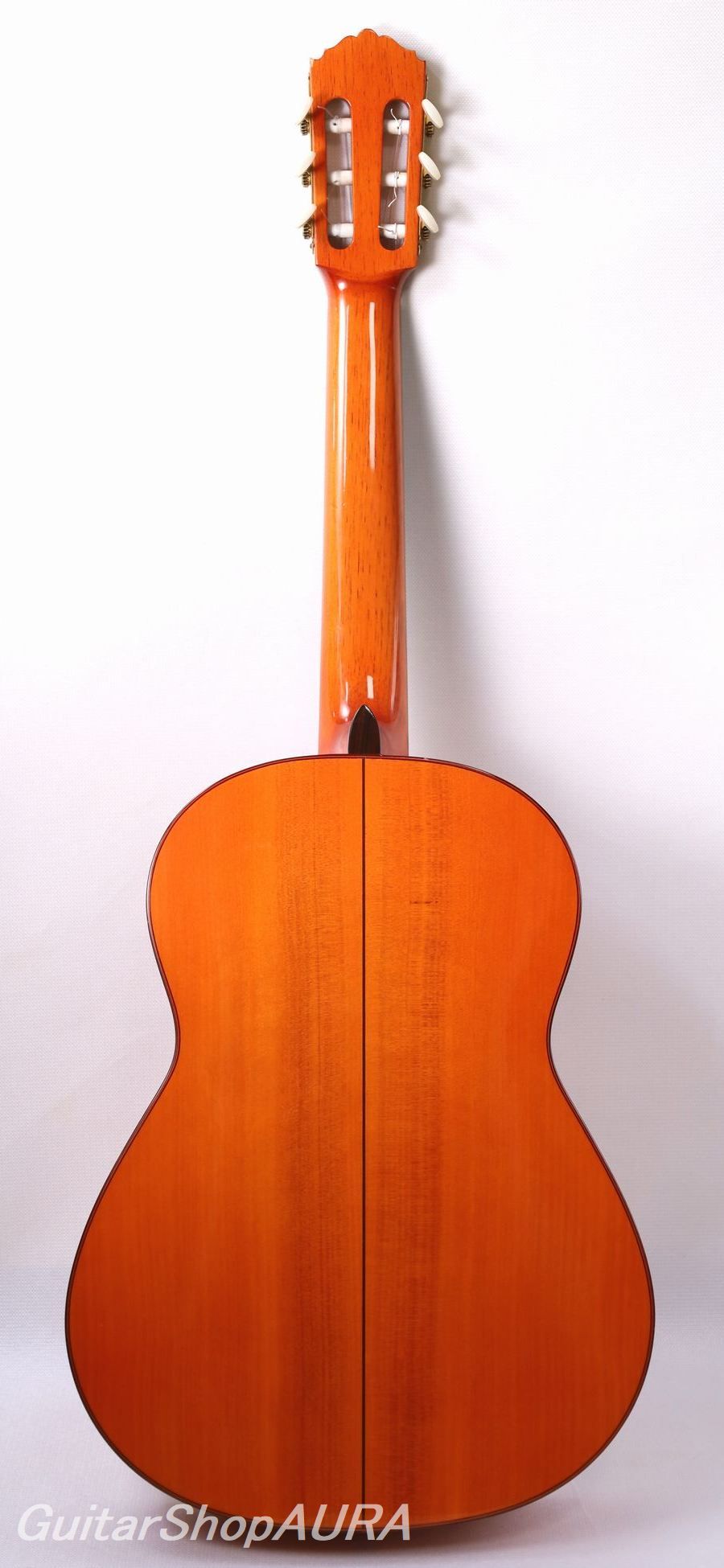
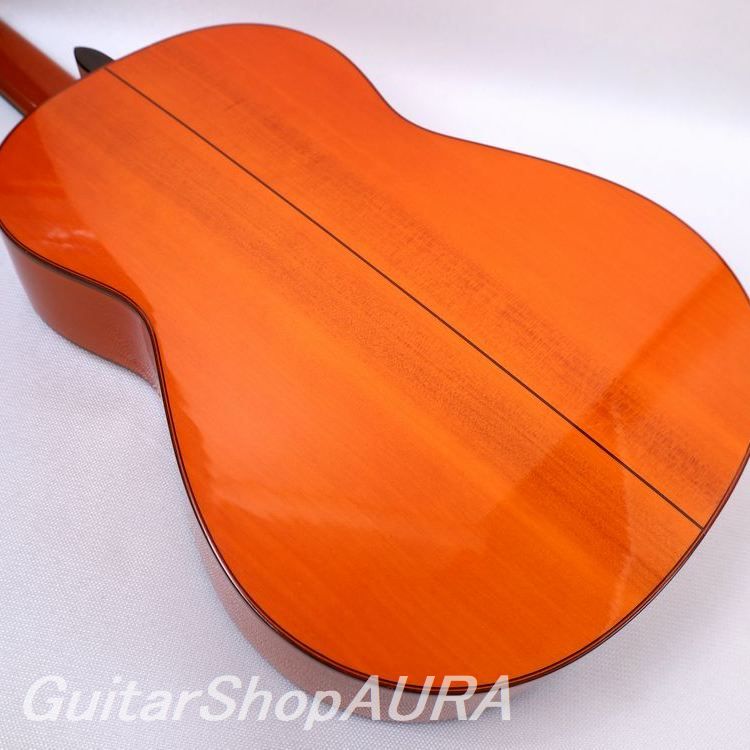
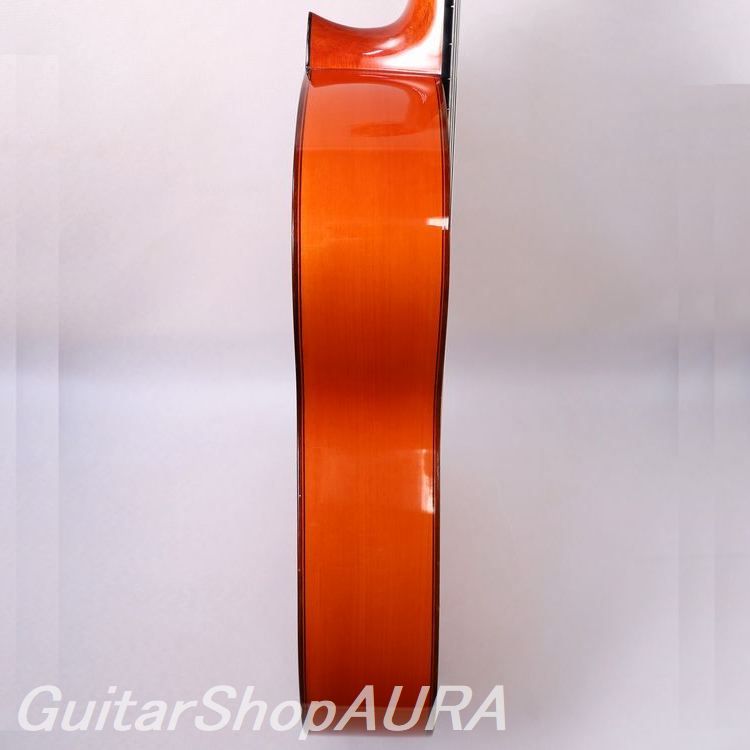
| Side&Back | Solid Cypress |
| Condition※ | 7 |
| List price | INQUIRE |
| Price (tax included) | Please Inquire |
| option | with Hardcase |
Click to enlarge the photos below
|
|
 |
 |
 |
 |
 |
 |
 |
 |
 |


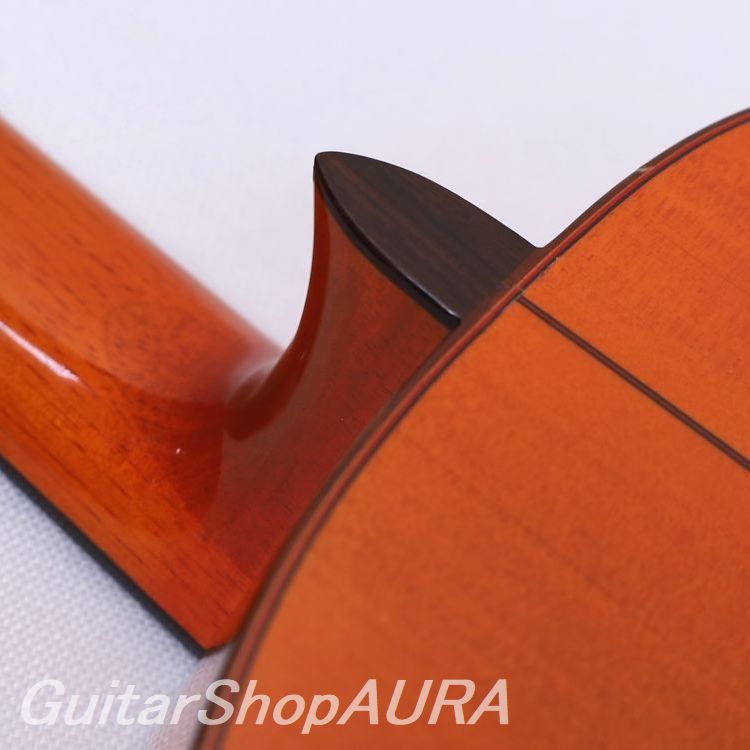
Neck: Cedro
Fingerboard: Ebony
Finish(Top): Lacquer
Finish(Back & Sides): Lacquer
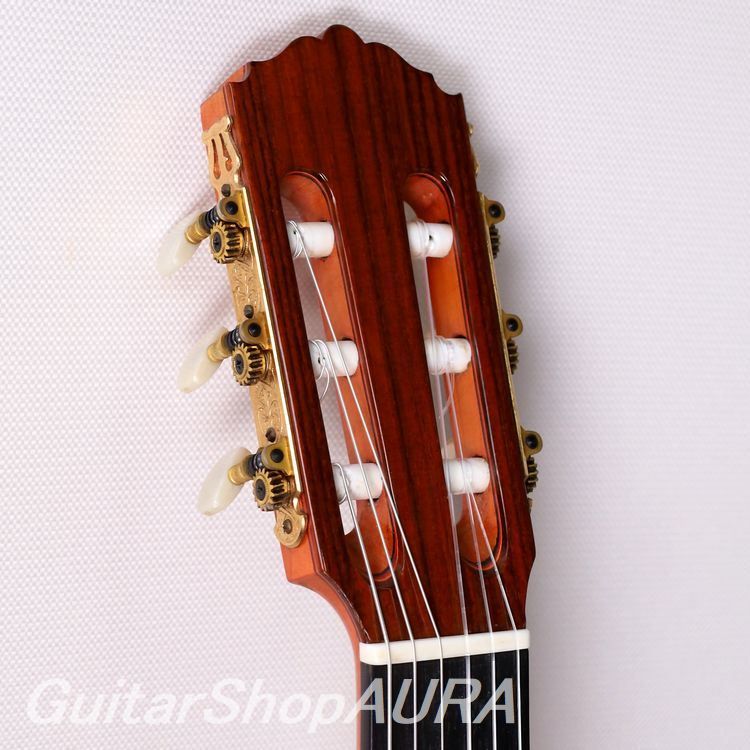
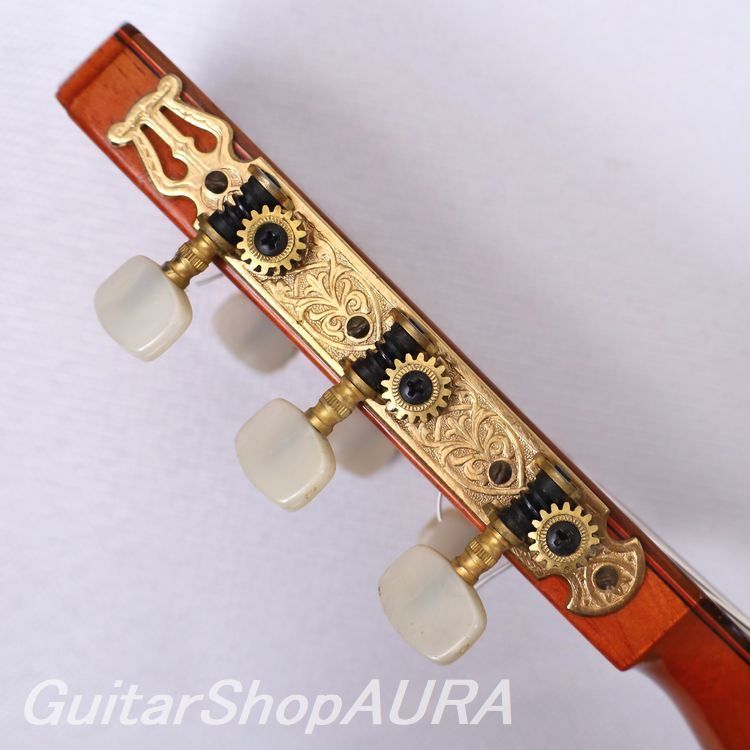
Tuning Machines: Gotoh
String Height(1st): 2.2mm
String Height(6th): 3.0mm
Luthier Information
Conde Hermanos is regarded as one of the most iconic and established brands among Spanish flamenco guitars. Its origins trace back to the workshop of the legendary Madrid luthier Manuel Ramírez (1864–1916). Domingo Esteso (1882–1937), who worked there alongside Santos Hernández (1874–1943), later opened his own workshop in 1919 on Gravina Street in Madrid.
Faustino Conde (1913–1988), Esteso’s nephew and direct disciple, joined the workshop together with his brothers Mariano (1916–1989) and Julio (1918–1995). After Esteso’s death, the guitars continued to be produced under the label “Viuda y Sobrinos de Domingo Esteso” (Widow and Nephews of Domingo Esteso). Following the death of Esteso’s wife in 1959, the label was changed to “Sobrinos de Domingo Esteso / Conde Hermanos,” and from this point onward the name Conde Hermanos became firmly established as the brand identity.
In the 1960s, the brothers moved away from strict adherence to Esteso’s designs and developed fully original models, redesigning both the external appearance and internal construction. The famous half-moon cut Media Luna headstock was introduced during this period as a hallmark of their high-end instruments. Supported by rapidly growing global demand, the reputation and market presence of Conde Hermanos expanded dramatically.
In 1980, Mariano Conde established a new workshop on Felipe Street in Madrid, producing guitars together with his sons (Felipe I and Mariano II). While initially working in coordination with the Gravina workshop, the Felipe workshop began operating independently after the death of Faustino in 1988. The following year, Mariano I also passed away, and the Felipe workshop was inherited by his two sons. From this point on, the Felipe workshop became known as the most commercially stable and market-responsive of the three Conde workshops, adapting flexibly to the needs of the era.
Conde Hermanos guitars have been played by many of the world’s greatest flamenco guitarists, most notably Paco de Lucía, and they remain an indispensable presence for flamenco guitar enthusiasts to this day.
Instrument Information
This is a flamenco guitar built in 1999, Model A-28 from the Felipe workshop. The scale length is set at 664 mm.
While not overly aggressive in character, the guitar produces a well-balanced and refined sound, offering musical qualities comparable to the higher-end A-26 model. After 26 years of natural aging, the tone has matured beautifully, with unwanted harshness removed. Rather than sheer volume, the instrument excels in resonance, delivering a rich, seasoned sound. String tension is neither too strong nor too light, resulting in a very comfortable and well-balanced playing feel.
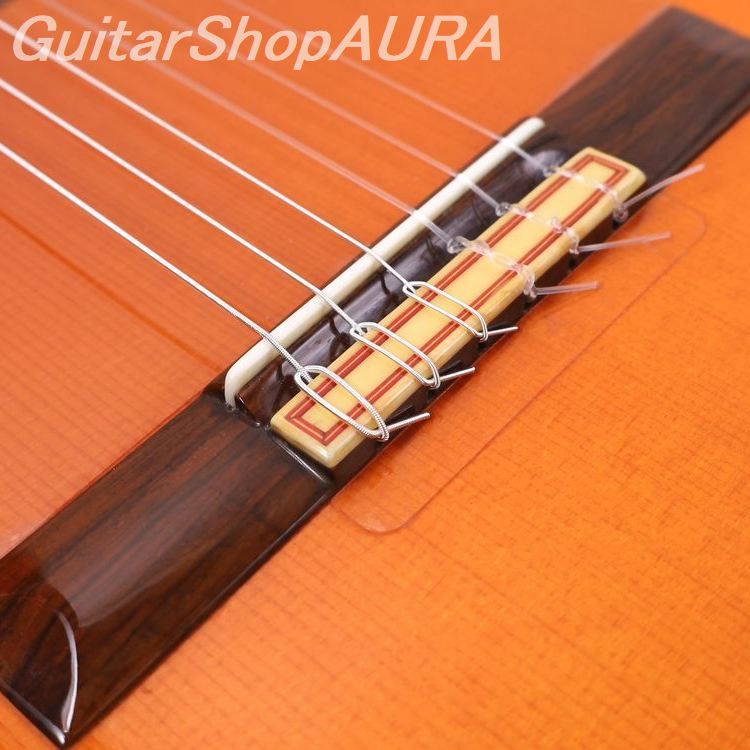
The neck has a moderate forward relief and offers excellent playability. The saddle retains approximately 3 mm of height, indicating a healthy setup and providing reassurance for future adjustments if needed.
There is one noticeable dent on the top and several shallow playing marks, but none are visually intrusive. Considering its vintage status, the guitar maintains a remarkably clean appearance. There is no history of crack repairs, and the overall condition is very good.