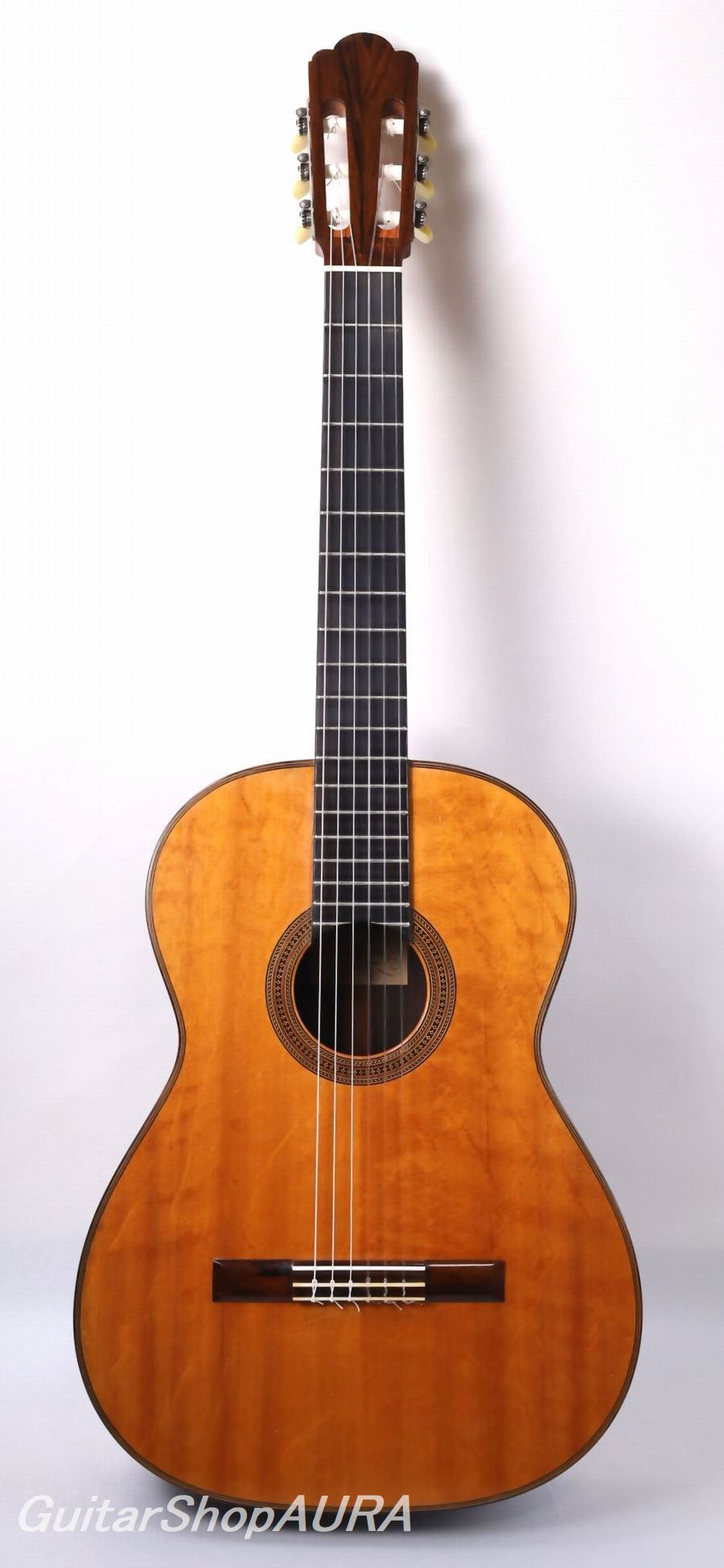
| Instrument | Manuel Velazquez |
| Category | Imported Classical Guitars 〔Vintage〕 |
| Number/Model | |
| Scale length | 650mm |
| Country | Puerto Rico |
| Year | 1966Year |
| Top | Solid Spruce |
| Side&Back | Solid South American Rosewood |
| Condition※ | 7 |
| List price | INQUIRE |
| Price (tax included) | Please Inquire |
| option | With Hardcase(BAM case) |
Click to enlarge the photos below
|
|
 |
 |
 |
 |
 |
 |
 |
 |
 |
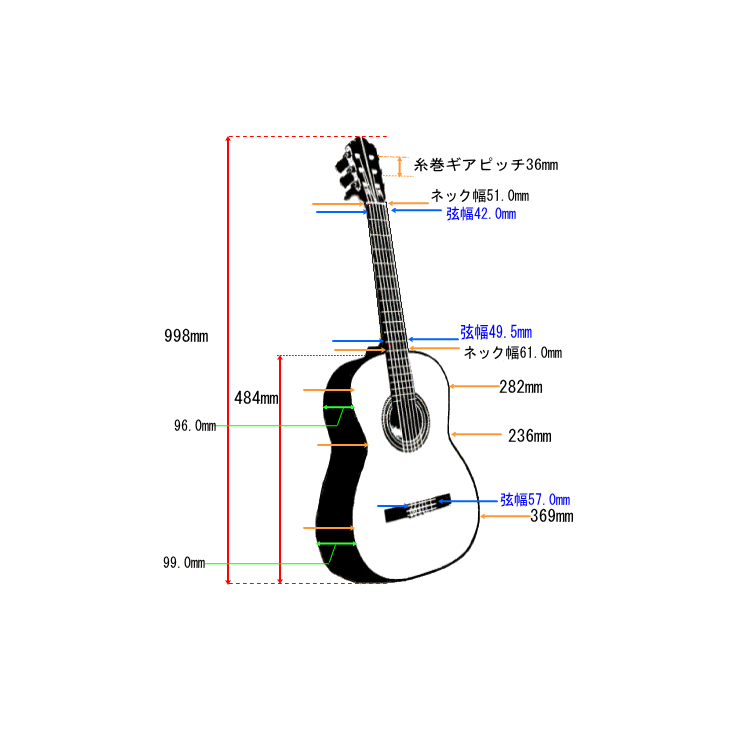


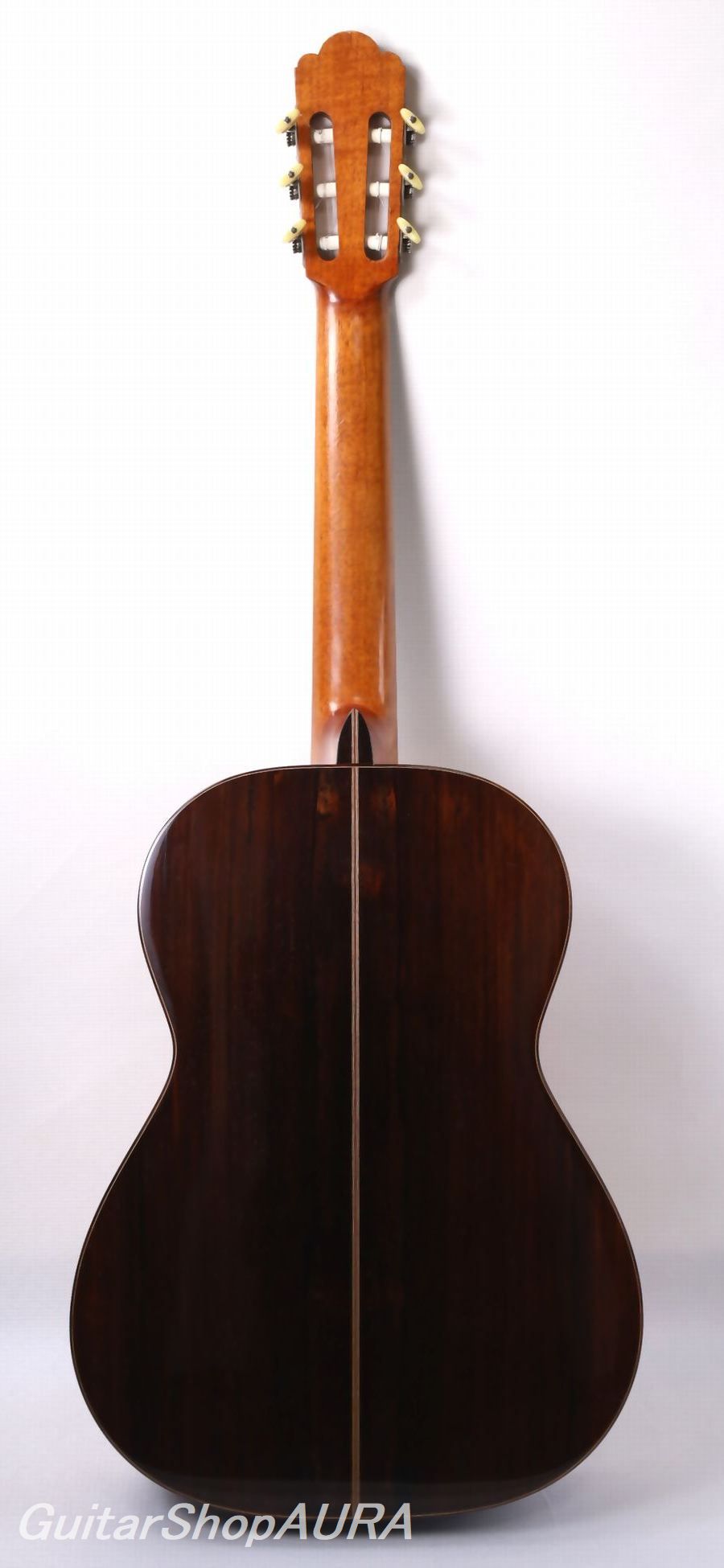
Neck:Mahogany
Fingerboard:Ebony
Finish(Top):Shellac
Finish(Back & Sides):Lacquer
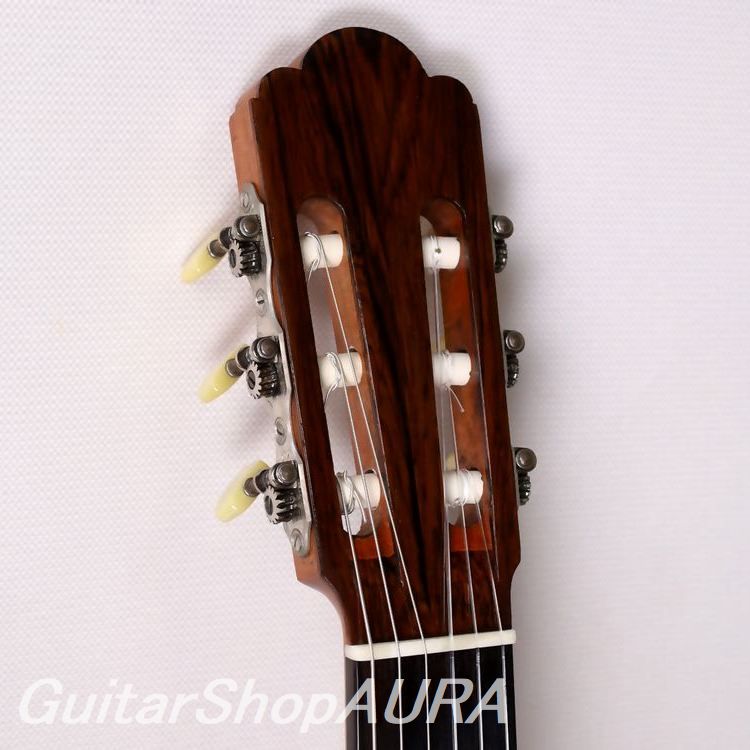
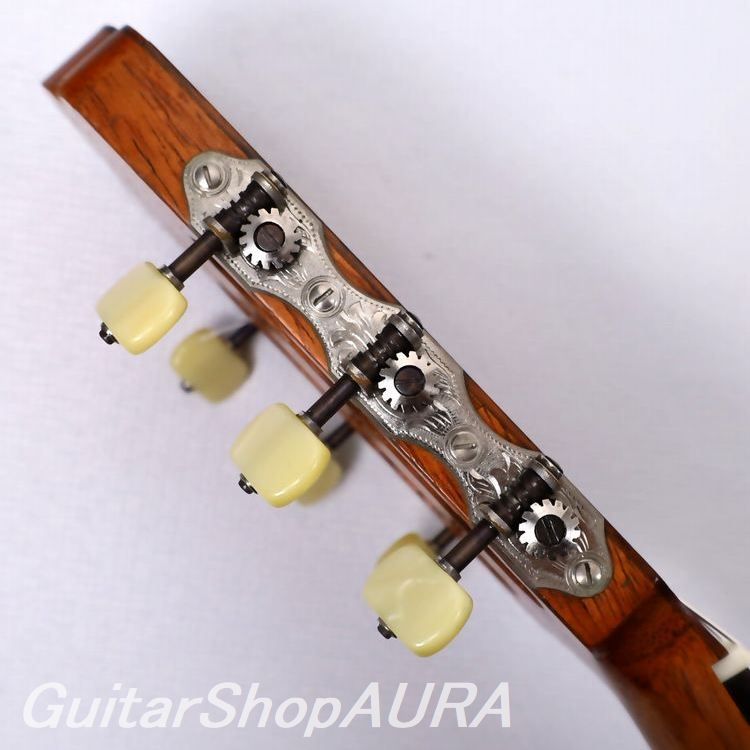
Tuning Machines:Landstorfer
String Height(1st):2.8mm
String Height(6th):4.0mm
[Profile]
Manuel Velazquez (1917–2014) was born in Puerto Rico and is recognized as one of the most important figures in American classical guitar making. With family ties to Spain and a distant connection to Santos Hernández, he developed an early interest in woodworking, training initially as a furniture maker before building his first guitar at the age of 16.
Encouraged by a local musician who recognized the quality of his early work, he moved to New York in 1941. While working in a shipyard during World War II, he continued building guitars, and by the late 1940s his instruments were already being used by leading performers. His reputation grew steadily, further strengthened by the admiration of Andrés Segovia.
In 1962, Velazquez returned to Puerto Rico and established a workshop, entering one of the most productive periods of his career. After returning to the United States in 1982, he continued building in Virginia, Texas, and later Florida, eventually working alongside his son Alfred, who carries on the tradition today.
His work is firmly rooted in the tradition of Antonio de Torres, Hermann Hauser, and Santos Hernández. Instruments from the 1950s and 60s—particularly those reflecting strong Hauser influence—are widely regarded as his finest and remain highly valued in today’s vintage market.
[Instrument]
Manuel Velazquez, 1966 (Used)
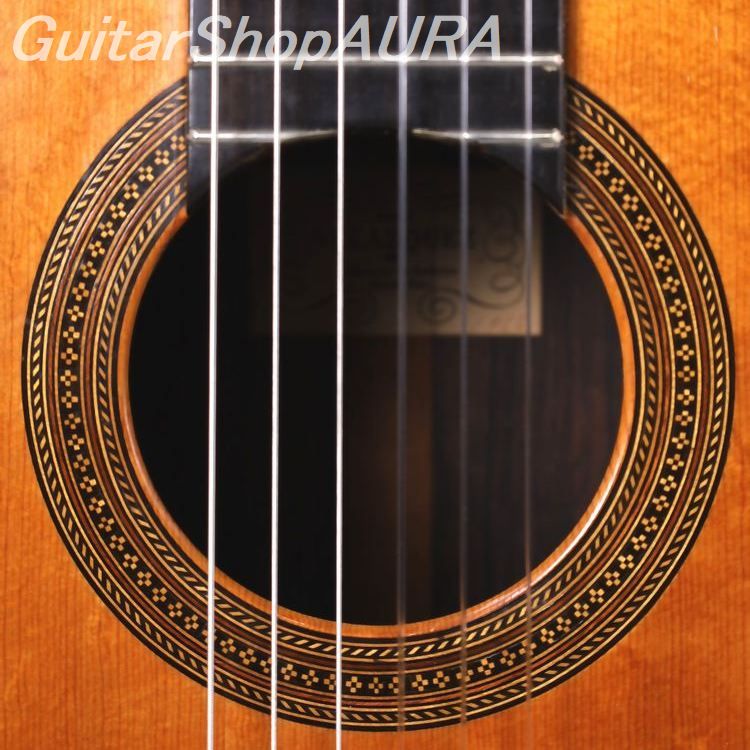
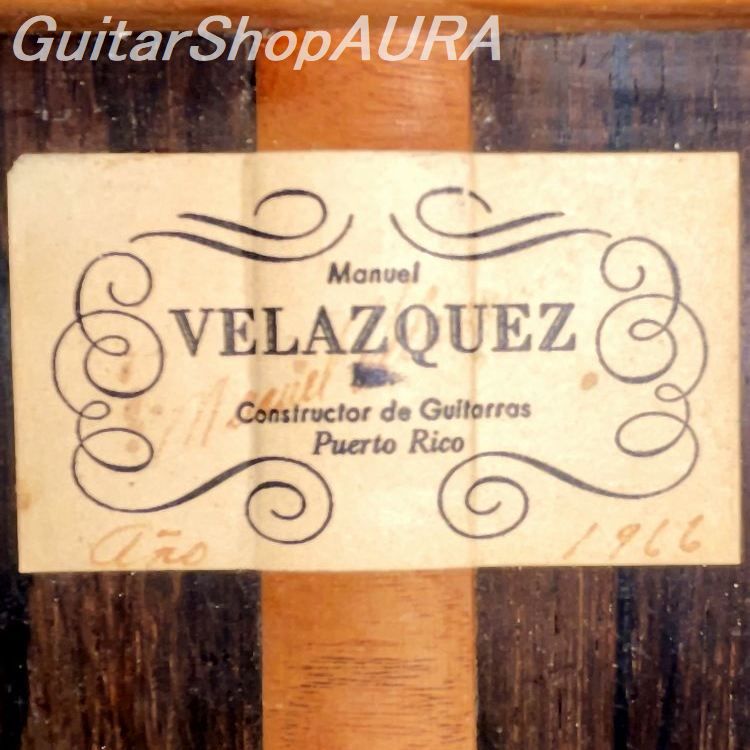
Built during his Puerto Rico period, as confirmed by the label, this guitar represents one of the most sought-after phases of his production.
The design reflects a clear influence of the Hauser school, while maintaining Velazquez’s own interpretation. The bracing features a symmetrical 7-fan layout with harmonic bars and closing bars, structurally closer in some respects to Torres, resulting in a controlled yet responsive top.
The tonal character is focused and well-balanced, with excellent note separation and a cohesive overall voice. The attack is clean and articulate, with a certain elasticity that allows for refined dynamic control. Compared to his later, more powerful instruments, the sound is relatively slender, yet remains dense and well-supported, with strong trebles and a stable, centered bass response. The guitar offers a wide expressive range and a lyrical, singing quality typical of Velazquez’s best work from this period.
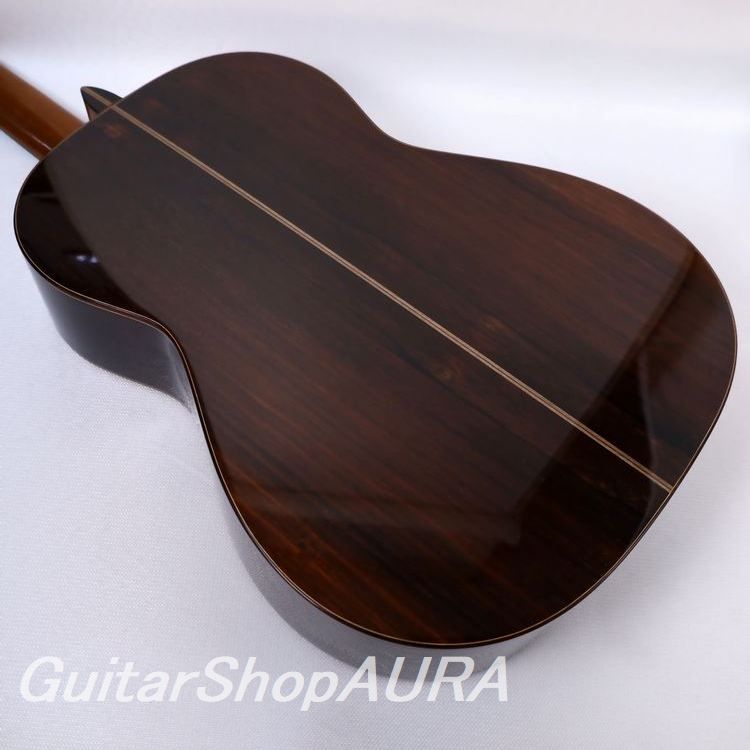
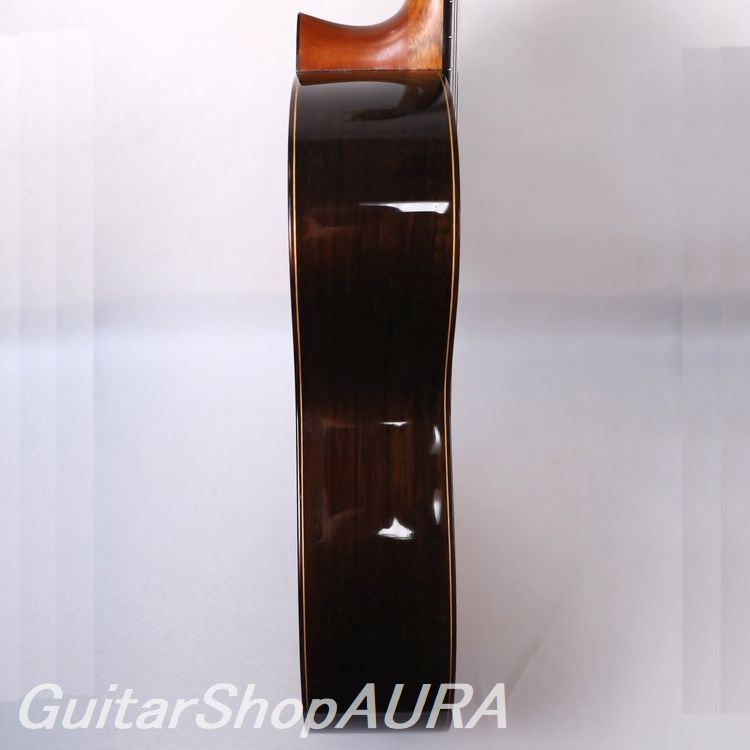
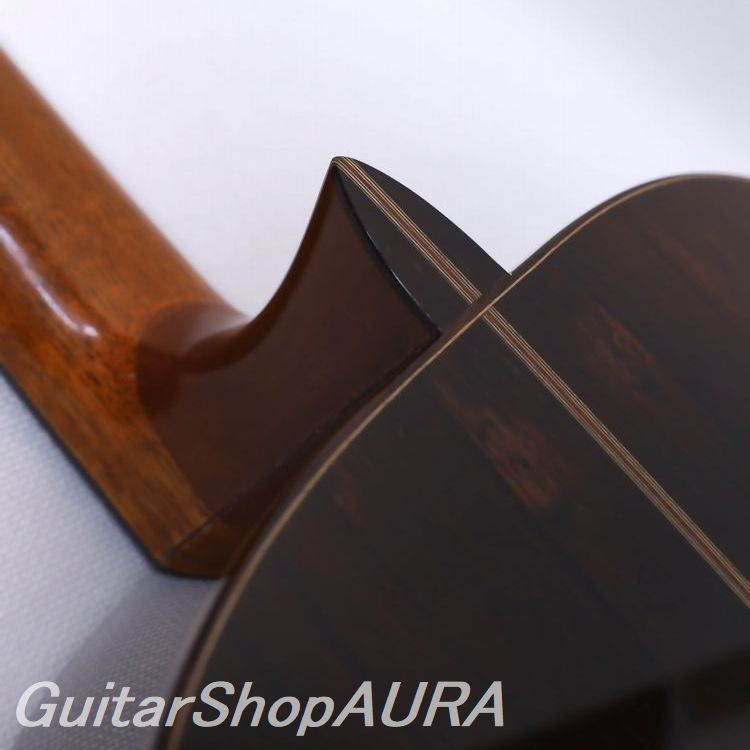
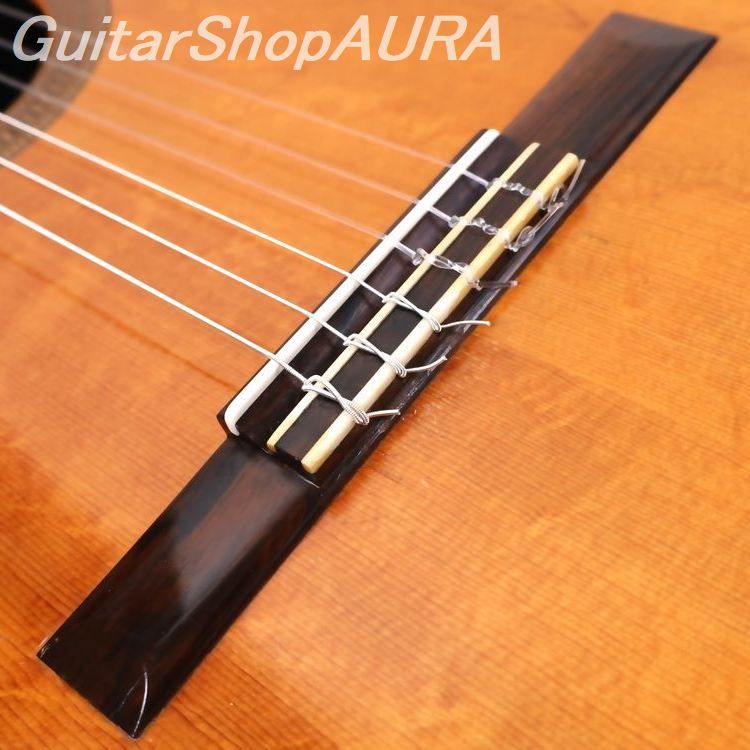
The instrument features a visually striking bearclaw spruce top and highly figured Brazilian rosewood back and sides. The back and sides have been refinished in lacquer, which may contribute to a slightly fresher tonal impression, while the top finish appears original. There are no crack repairs; however, general signs of use such as playing wear, scratches, and marks—particularly around the soundhole—are present.
The neck is in proper condition with a comfortable, slightly rounded D profile. Playability is good, with string height at 2.8 mm (1st string) and 4.0 mm (6th string) at the 12th fret, and adequate saddle height remaining. The guitar is fitted with Landstorfer tuners, functioning well.
A well-preserved example that clearly demonstrates the character and quality of Velazquez’s work in the 1960s.