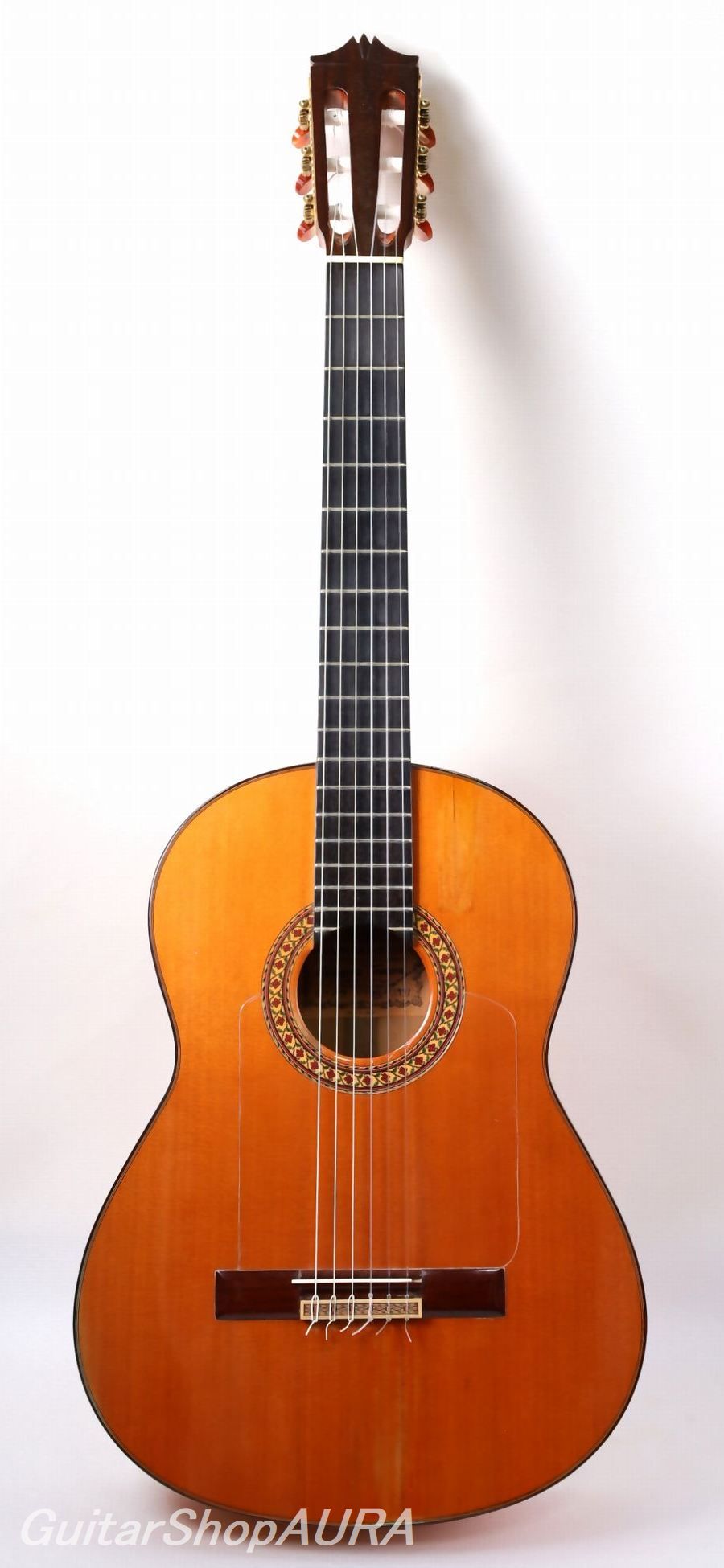
| Instrument | Hiroshi Tamura |
| Category | Japanese Flamenco Guitars 〔Vintage〕 |
| Number/Model | C-100 Flamenco Blanca No.107032 |
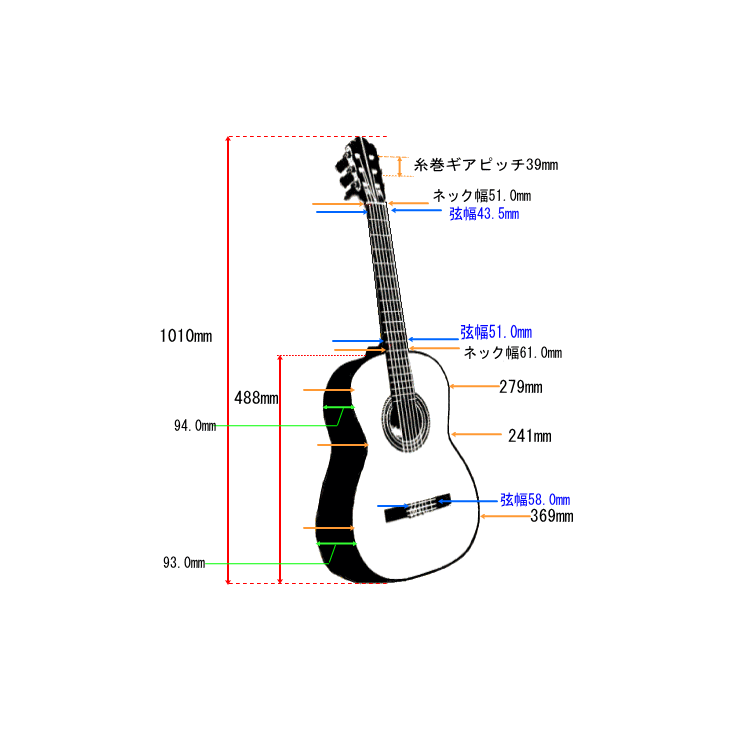
| Scale length | 664mm |
| Country | Japan |
| Year | 1971Year |
| Top | Solid Ceder |
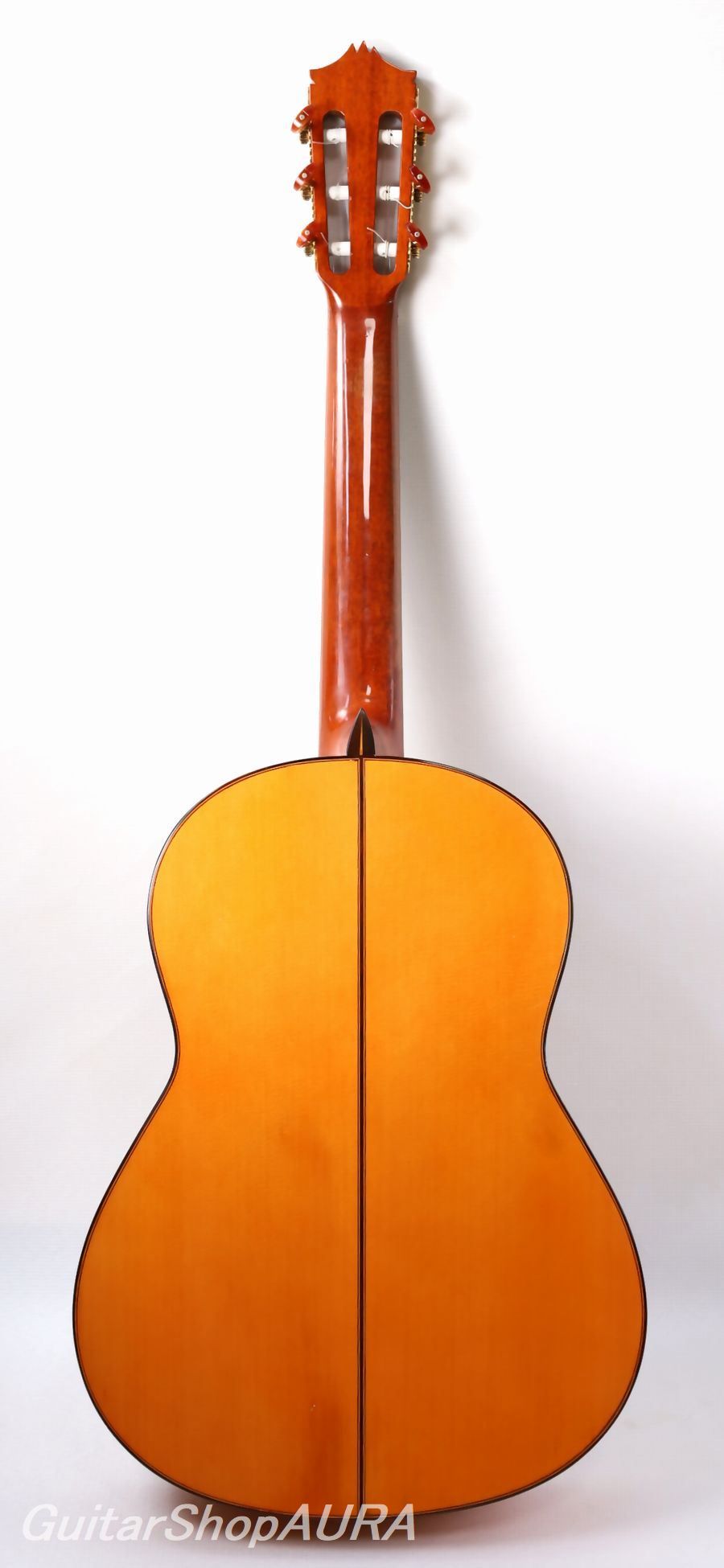
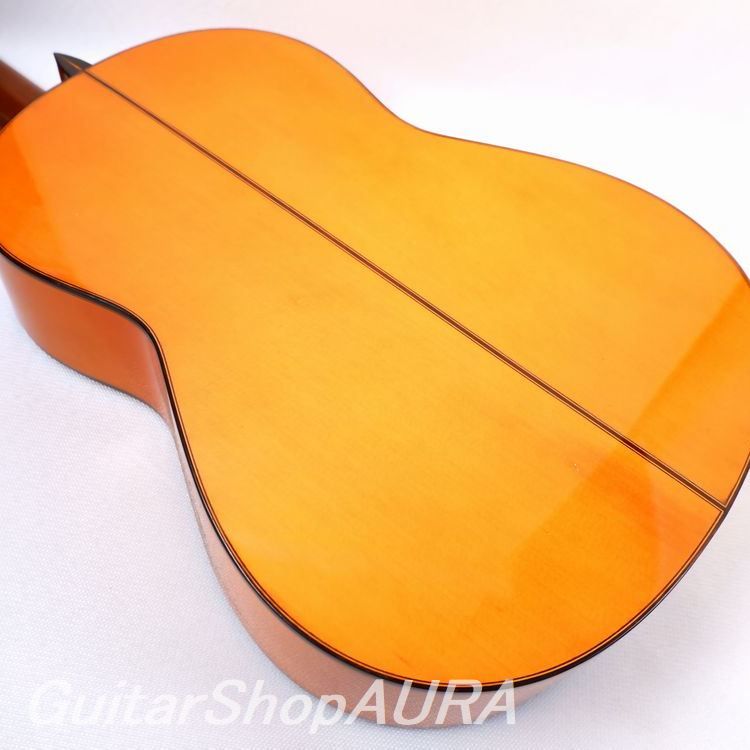
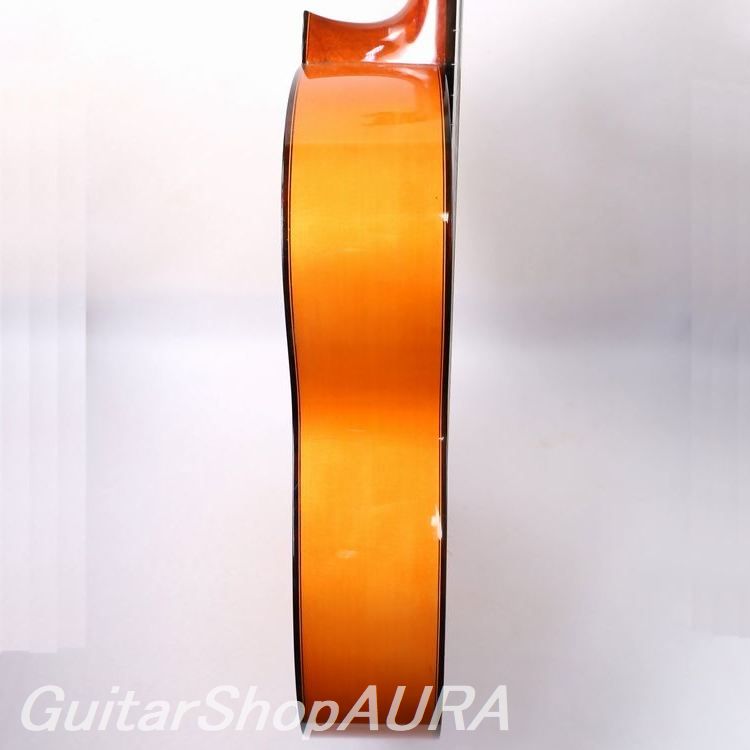
| Side&Back | Solid Spruce |
| Condition※ | 6 |
| List price | INQUIRE |
| Price (tax included) | Please Inquire |
| option | with Hardcase |
Click to enlarge the photos below
|
|
 |
 |
 |
 |
 |
 |
 |
 |
 |


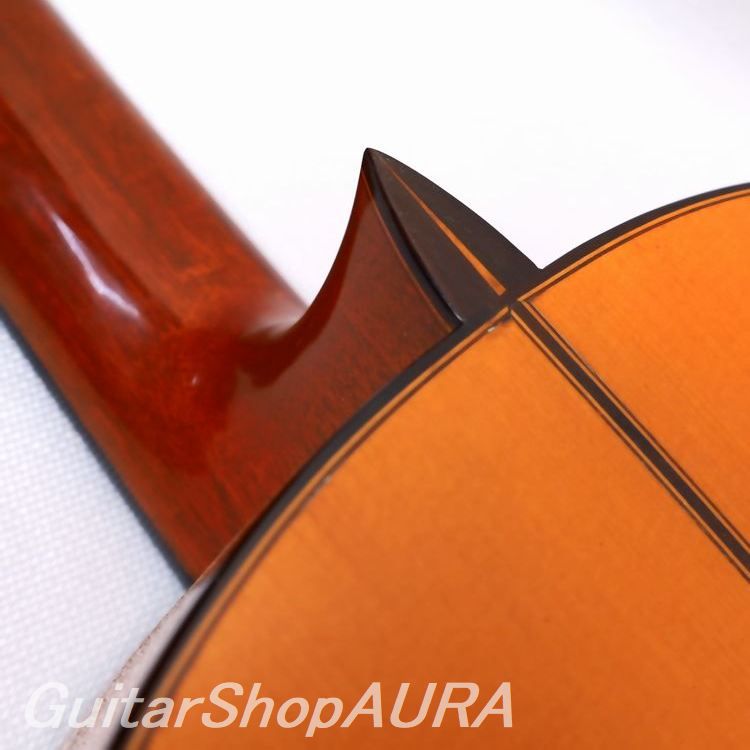
Neck:Unknown
Fingerboard:Ebony
Finish(Top):Polyurethan
Finish(Back & Sides):Polyurethan
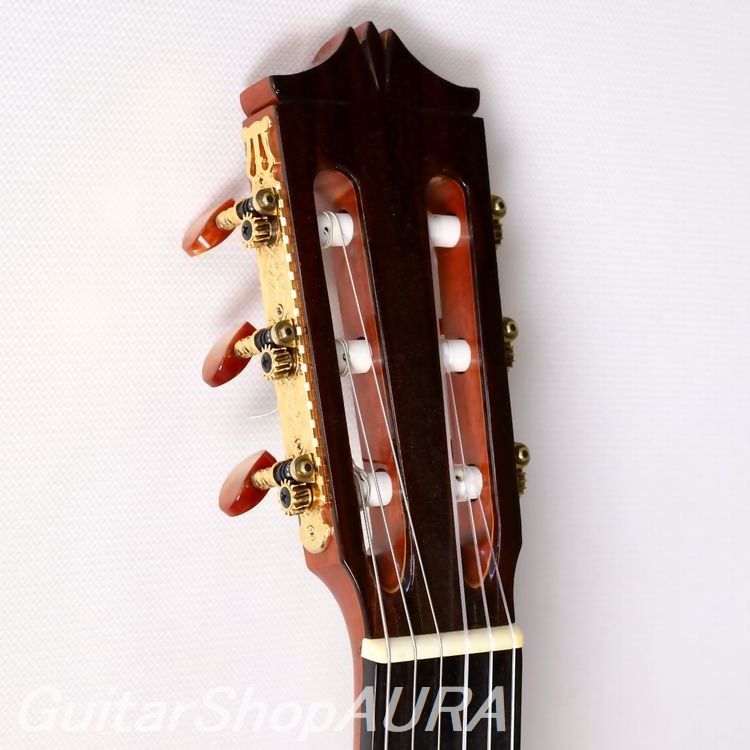
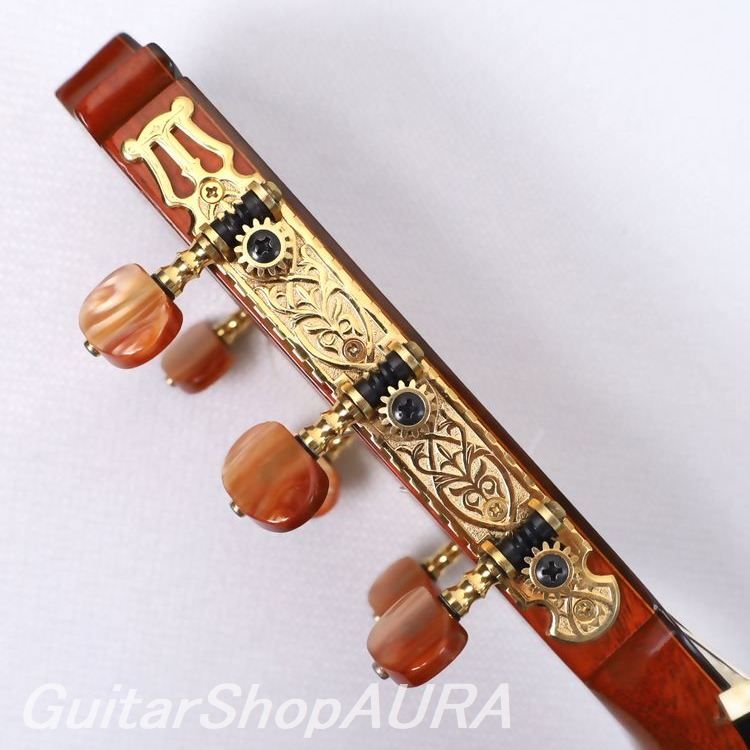
Tuning Machines:GOTOH
String Height(1st):2.3mm
String Height(6th):2.6mm
Luthier Information
Hiroshi Tamura
Born in Kochi City, Kochi Prefecture. In 1952, he founded the Tamura Guitar Workshop in his hometown and operated it together with his younger brother, Mitsuru Tamura (who later became independent in 1966). The Tamura brothers played a major role in shaping the popularity of classical and flamenco guitars in Japan from the 1960s onward. Among the many domestic brands of the period, Tamura guitars stood out as being virtually unmatched in their ability to capture the authentic sound and nuance of Spanish instruments. Their quick response, rich volume, dry and expressive tonal character, and exceptional playability remain highly attractive even today.
Instrument Information
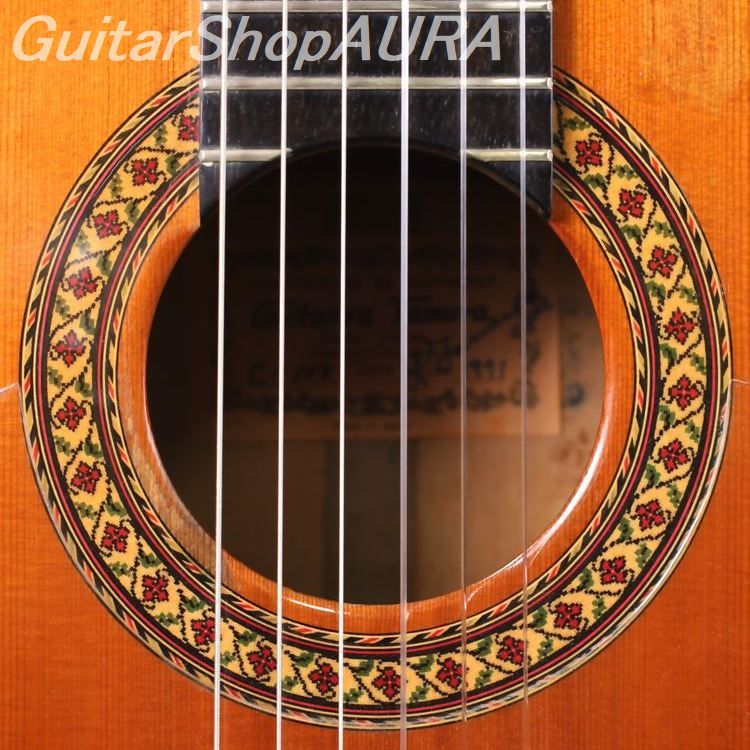
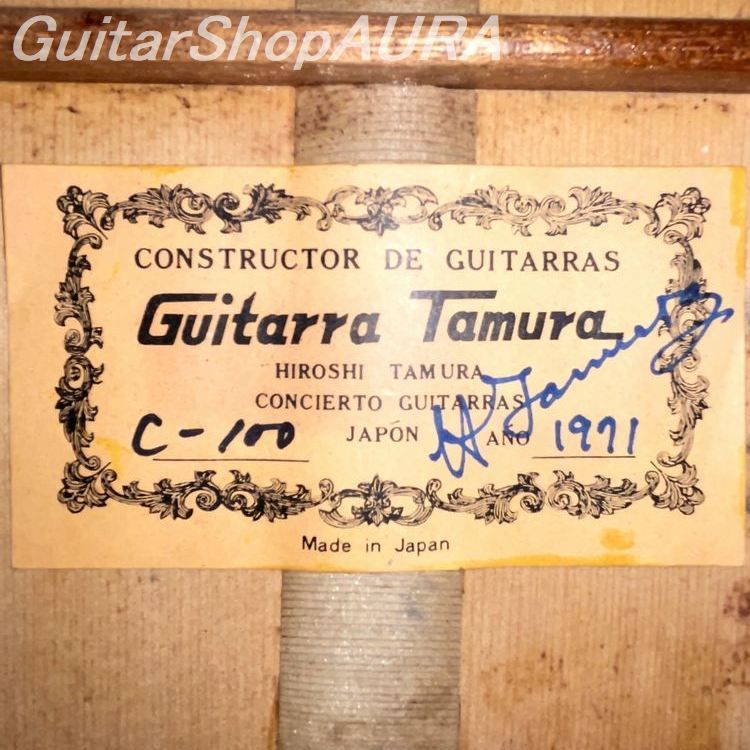
Hiroshi Tamura (Guitarra Tamura label)
1971 C-100 Flamenco Model, No. 107032 — Used.
Although many specification listings for C-100 models on the secondary market describe the back and sides as cypress, this instrument is most likely constructed with pine. This choice, however, was clearly intended to achieve the tonal characteristics of cypress (blanca-style) flamenco guitars, both visually and acoustically.
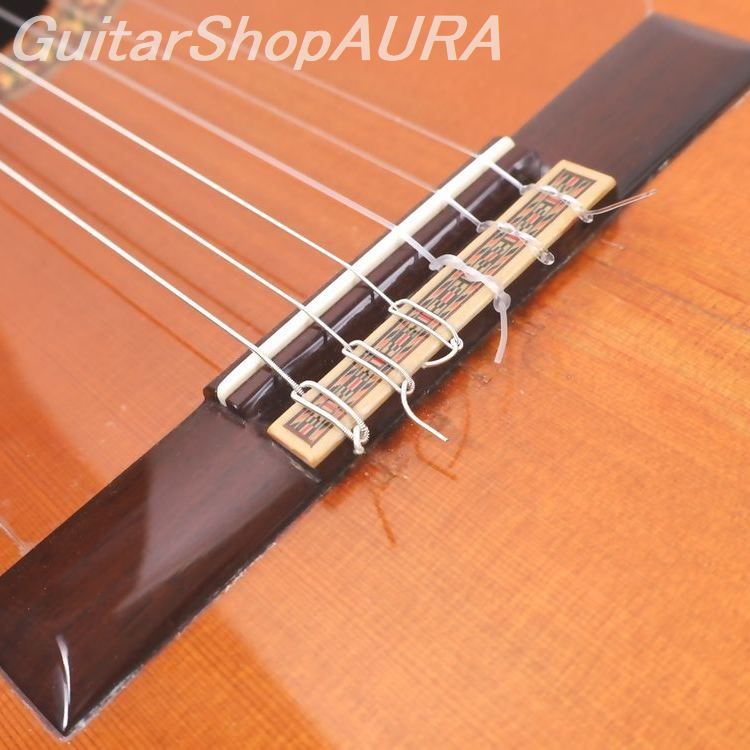
The top bracing features one harmonic bar above the soundhole (neck side), with a thin reinforcement plate approximately 20 mm wide spanning nearly the full width between the bar and the neck foot. Below the soundhole, another harmonic bar is installed, followed by five symmetrical fan braces. These are supported at their lower ends by two inverted V-shaped closing bars positioned toward the bass and treble sides of the lower bout. An additional thin reinforcement plate of similar size is applied beneath the bridge area.
The fan braces are arranged with minimal outward angle, clustering closer to the center, and their relationship with the two closing bars strongly recalls the designs of Marcelo Barbero and Arcángel Fernández.
Tonally, likely due to the use of pine, the sound favors sharpness and clarity over the dense, heavy character often associated with Barbero-style instruments. The result is a lively, agile response with a distinctly flamenco-like gesture—one might even say it conveys an expressiveness unusually bold for a Japanese-made guitar. It is an excellent instrument, offering both strong functionality and expressive potential.