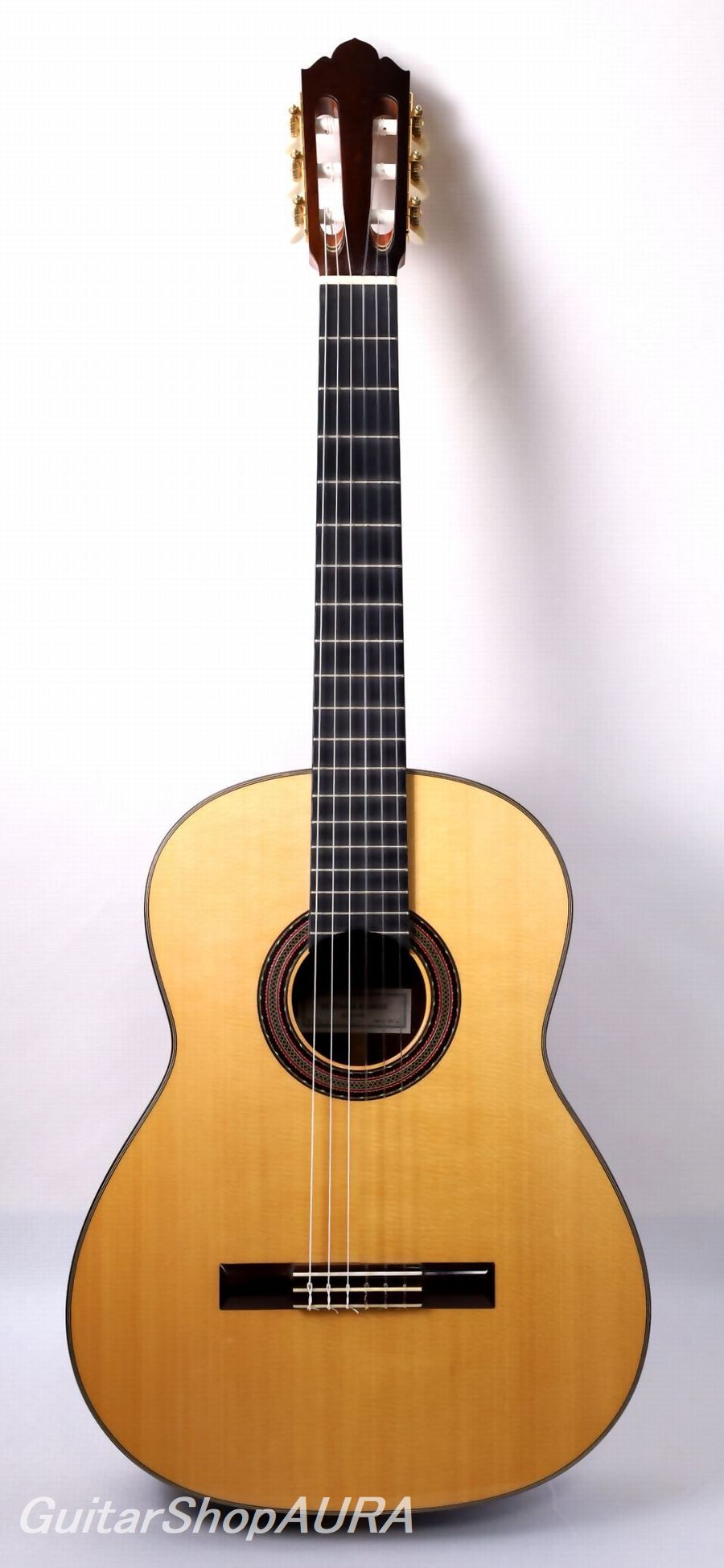
| Instrument | Kodama Kanoh |
| Category | Japanese Classical Guitars 〔Vintage〕 |
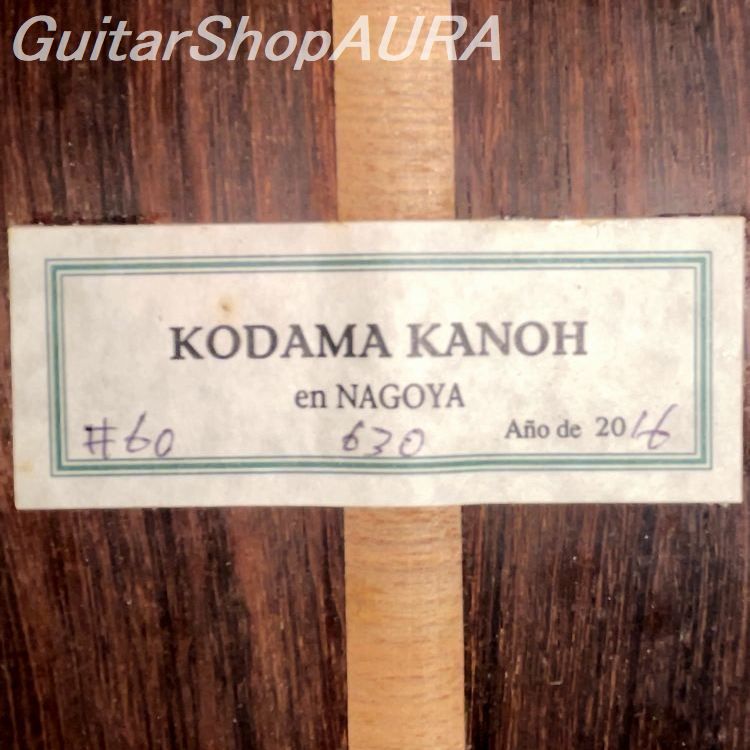
| Number/Model | No.60 630mm |
| Scale length | 630mm |
| Country | Japan |
| Year | 2016Year |
| Top | Solid Spruce |
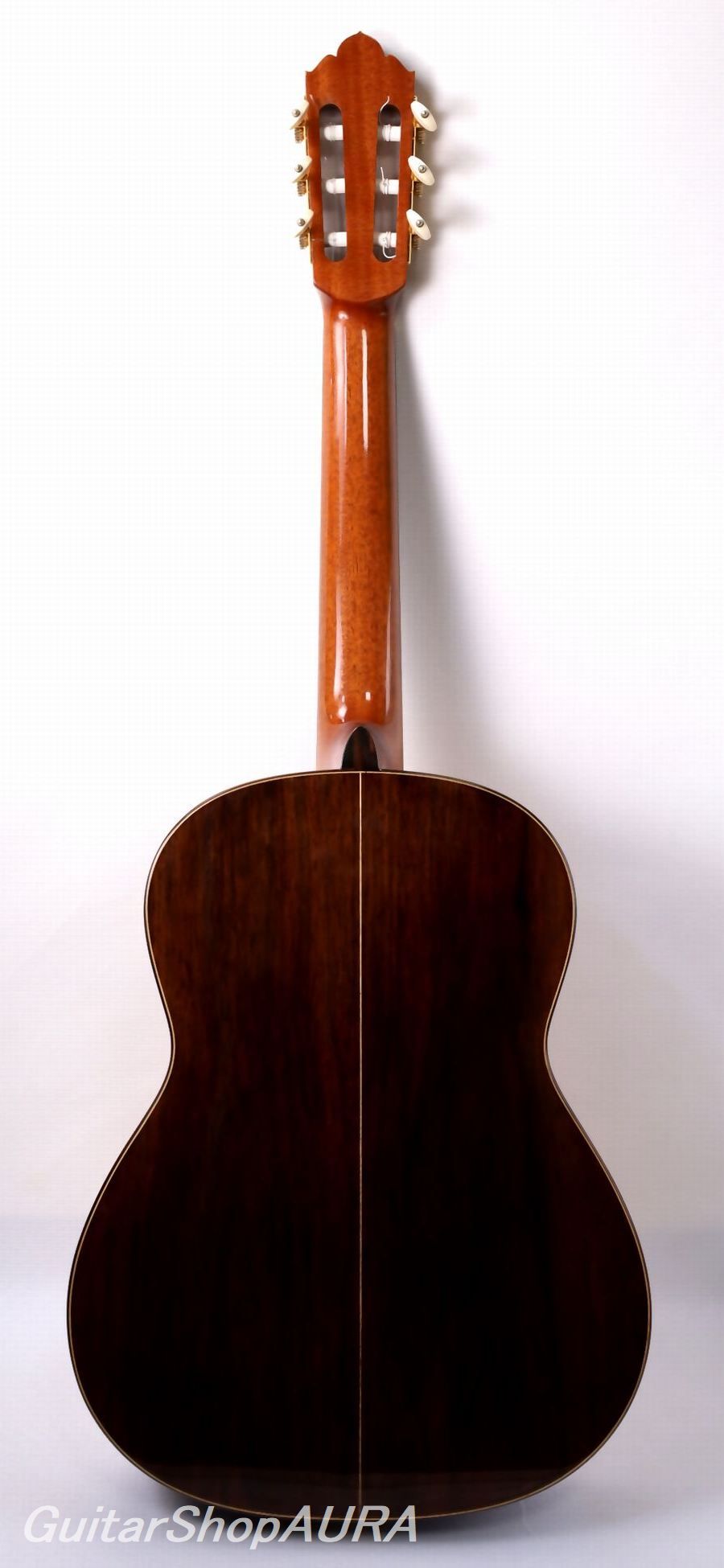
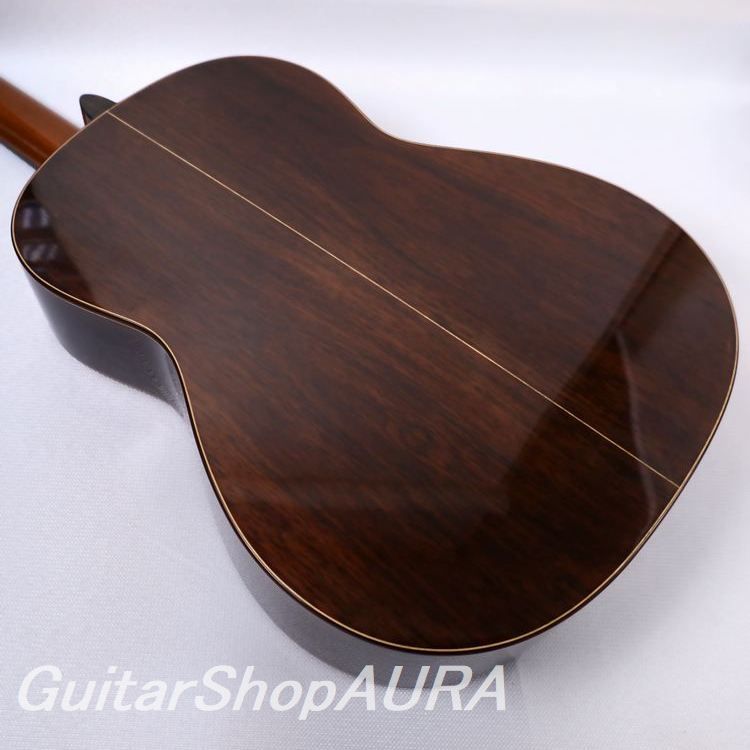
| Side&Back | Solid South American Rosewood |
| Condition※ | 8 |
| List price | ¥660,000 |
| Price (tax included) | Please Inquire |
| option | Light weight semi hard case |
Click to enlarge the photos below
|
|
 |
 |
 |
 |
 |
 |
 |
 |
 |
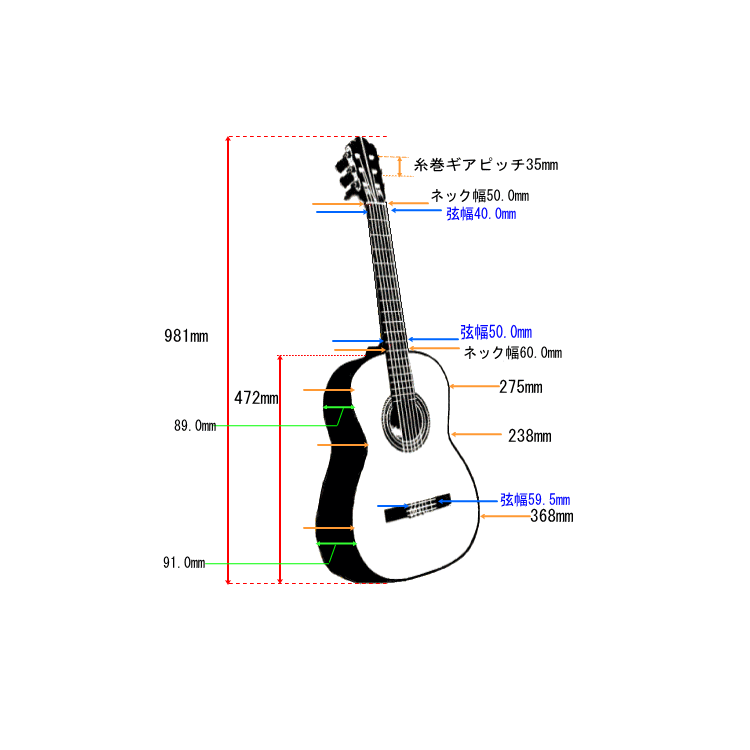


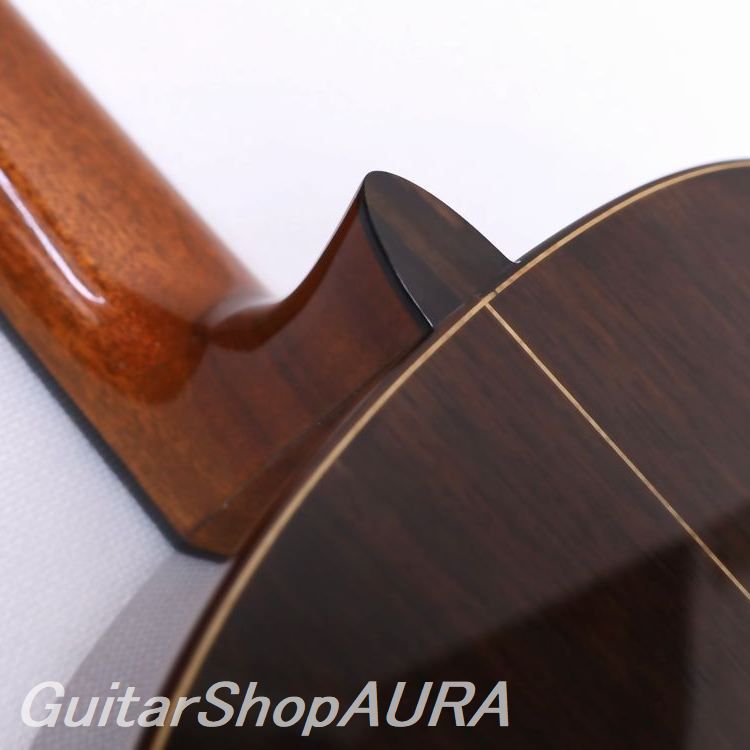
Neck:Mahogany
Fingerboard:Ebony
Finish(Top):Polyurethan
Finish(Back & Sides):Polyurethan
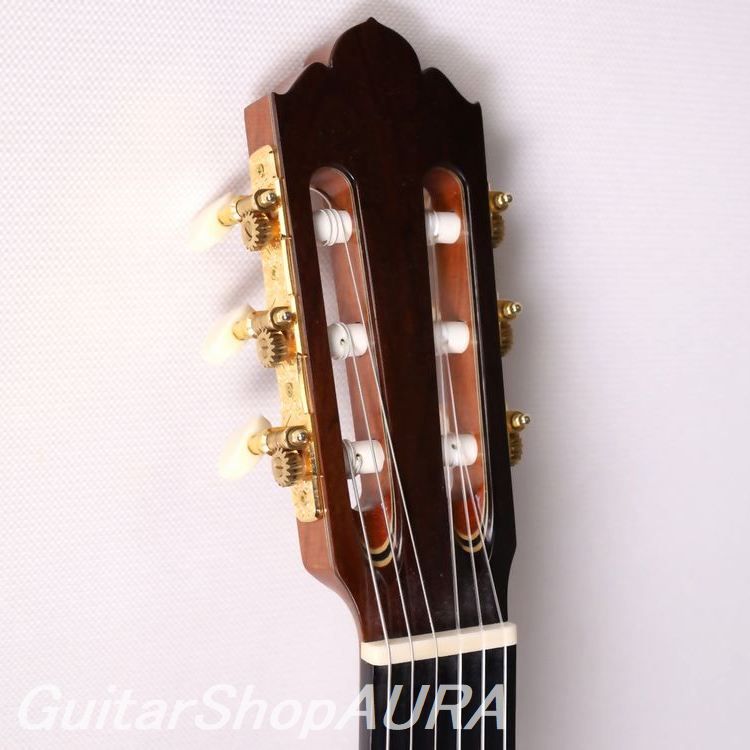
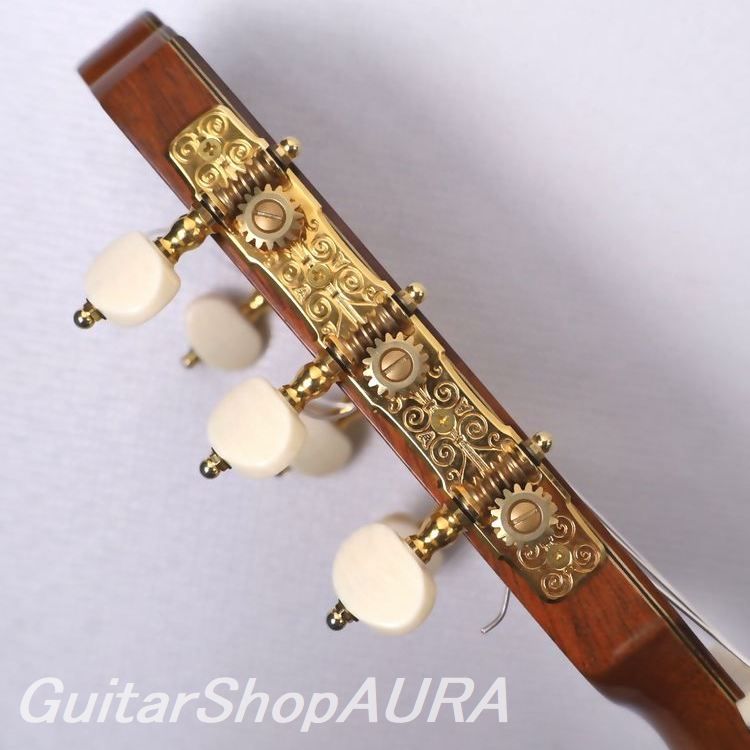
Tuning Machines:Gotoh
String Height(1st):2.9mm
String Height(6th):4.0mm
[Profile]
Kodama Kano (1939–2025) was born in Nagoya and entered the workshop of his father, Mokumei Kano, in 1958 to study guitar making. After establishing his own workshop in 1966, he built a reputation over decades as one of Japan’s leading makers, producing instruments of consistently high quality until his retirement in 2023. In addition to guitars, he was also highly regarded for mandolins and historical plucked instruments.
His classical guitars are known for an orthodox Spanish foundation combined with a restrained, refined character, offering both richness of tone and elegance. He was also regarded as a pioneer among Japanese makers for upper-grade short-scale instruments in the 610–640mm range. His work gained growing international appreciation in later years, and his passing in January 2025 was widely mourned.
[Instrument Description]
A used Model 60 by Kodama Kano, built in 2016 with a 630mm short scale.
Despite its shorter scale, this guitar shows no compromise in power, sustain or expressive range, fully demonstrating Kano’s mastery in this specialized category. It is a particularly persuasive example for players seeking both comfort and concert-level tonal performance.
Kano’s guitars often suggest a certain Germanic acoustic ideal, recalling in some respects the tradition of Hermann Hauser I: an exceptionally even balance across the registers, depth and separation within chords, firm string resistance, and a solid, responsive body resonance. Combined with Kano’s characteristically calm and dignified voice, the result is a guitar of understated nobility and depth.
Especially impressive is the natural coexistence here of short-scale ease and dynamic projection—an uncommon balance, and one of the reasons these models remain so admired.
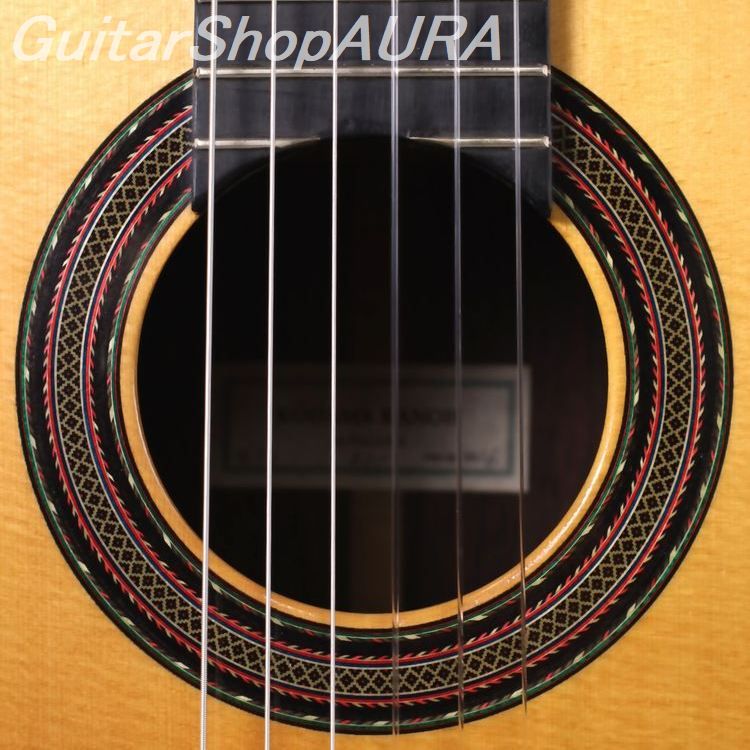
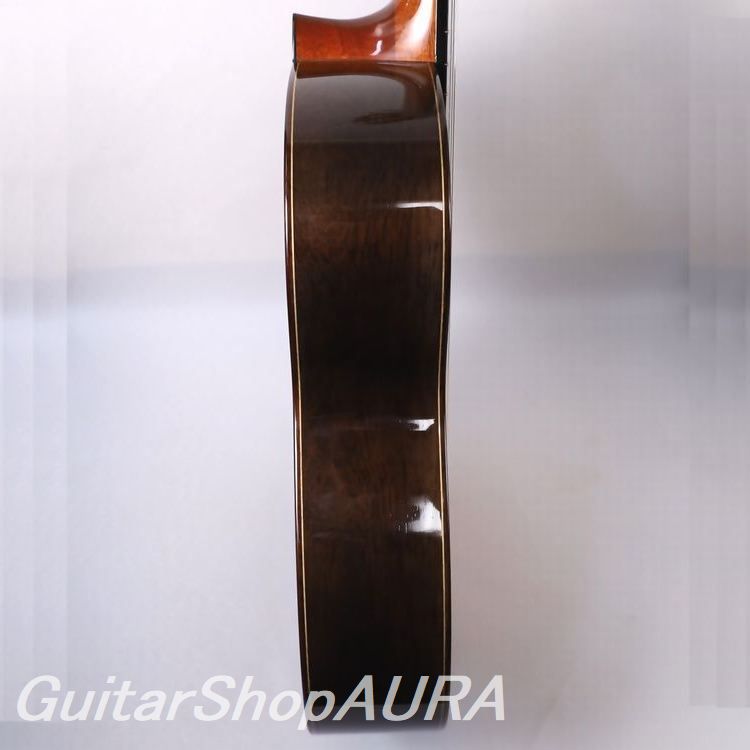
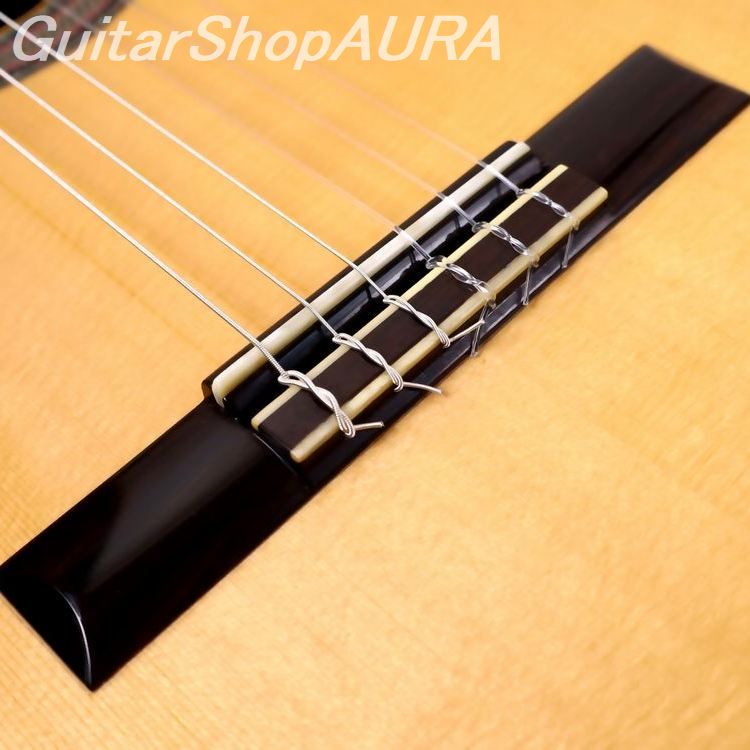
The instrument remains in excellent condition for its age. Finished in original polyurethane, it has no crack repairs or structural alterations. Only very minor surface marks can be found around the fingerboard edges, soundhole and bridge area, none visually significant. Back and sides remain almost unmarked. There is some localized finish clouding on the sides, likely due to humidity change, though it remains purely cosmetic and within the bounds of natural aging.
The neck has a compact D-shaped profile with a comfortable, softened feel. It shows slight forward relief but remains within normal specification, with frets in proper condition. String height is 2.9mm / 4.0mm at the 12th fret (1st / 6th), with approximately 1.0–1.5mm saddle remaining, allowing room for lower action if desired. Fitted with Gotoh tuners, functioning well.
The top bracing features harmonic bars above and below the soundhole, reinforcing plates at each side of the soundhole, and an unusually elaborate symmetrical eleven-fan system spanning the lower bout. Resonance is set slightly below A.